How to Stop Hair Loss After Bariatric Surgery? {Complete Guide}
Introduction
Bariatric surgery is a life-changing procedure that offers a long-term solution for severe obesity and metabolic conditions. It allows individuals to shed excess weight, control chronic conditions like type 2 diabetes, and significantly improve their quality of life. However, as the body transitions and adapts to rapid weight loss and metabolic changes, it is common to experience temporary physical side effects. One of the most frequent and distressing concerns patients share during their post-operative journey is the sudden thinning or shedding of hair.
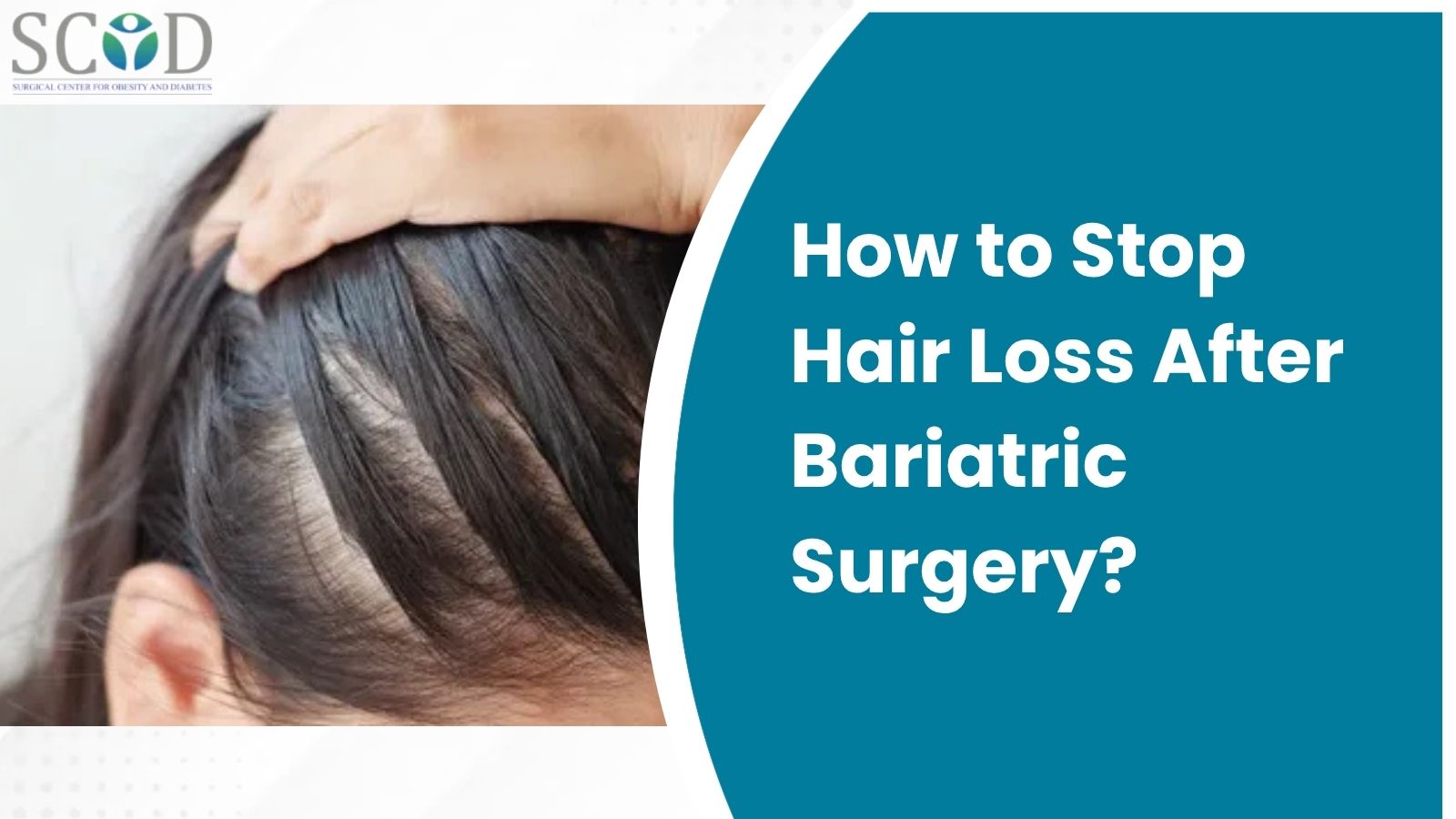
Waking up to find more hair than usual on your brush or in the shower drain can be alarming. It is natural to feel anxious and ask: how to stop hair loss after bariatric surgery? The good news is that post-surgical hair thinning is almost always temporary, manageable, and reversible. By understanding the underlying biology of hair shedding and following structured nutritional and lifestyle strategies under the guidance of a specialist like a leading Bariatric Surgeon in Delhi, you can protect your hair health and ensure a smooth recovery. In this comprehensive guide, we will discuss why this shedding occurs and outline practical, evidence-based steps to minimize and stop it.
Understanding Bariatric Surgery
Bariatric surgery alters the digestive system's anatomy to restrict food intake or reduce nutrient absorption, driving massive weight loss and metabolic improvements.
Weight loss procedures, such as laparoscopic sleeve gastrectomy (gastric sleeve) or Roux-en-Y gastric bypass, achieve results through two primary mechanisms: restriction and malabsorption. Restrictive procedures decrease the stomach's physical size, limiting the amount of food you can consume at one time. Malabsorptive procedures bypass a portion of the small intestine, restricting the calories and nutrients your body can absorb. While these changes are highly effective at treating severe obesity, they also place the body under temporary physical and metabolic stress, which directly influences various physiological systems, including your hair growth cycle.
Causes of Hair Loss After Bariatric Surgery
The primary cause of hair loss after bariatric surgery is a temporary condition called Telogen Effluvium, triggered by surgical trauma, rapid weight loss, and nutritional deficiencies.
To understand hair loss after bariatric surgery, it helps to look at the hair growth cycle. At any given moment, about 85% to 90% of your hair follicles are in the active growth phase (anagen), while the remaining follicles are in a resting phase (telogen), which ends with the hair falling out naturally. When your body undergoes significant stress—such as major surgery, general anesthesia, rapid caloric reduction, or hormonal shifts—it enters a self-preservation mode. To save energy for vital organs like the heart and brain, the body temporarily halts non-essential functions, including hair production.
This systemic stress causes a large number of active hair follicles to prematurely enter the resting (telogen) phase. About 3 to 6 months after the initial stress event, these resting hairs begin to shed simultaneously. This delayed, diffuse thinning is known as Telogen Effluvium. Besides the surgical trauma and stress of rapid weight loss, nutritional malabsorption and vitamin deficiencies—such as low intake of protein, iron, zinc, biotin, and essential fatty acids—can worsen or prolong the shedding process. Knowing what to do for hair loss after bariatric surgery involves directly addressing these metabolic and nutritional triggers.
5 Ways to Stop Hair Loss After Bariatric Surgery
You can stop and manage hair shedding by optimizing your protein intake, taking targeted supplements, staying hydrated, avoiding crash diets, and managing stress levels.
While you cannot completely avoid the initial hormonal shock of surgery, you can take active steps to shorten the shedding phase and accelerate regrowth. Here are 5 clinical strategies on how to prevent hair loss after bariatric surgery:
1. Prioritize High-Quality Protein Intake
Hair is made almost entirely of a protein called keratin. When your body experiences rapid weight loss and caloric restriction, a lack of dietary protein forces it to break down hair proteins to support vital tissues. Meeting your daily protein goal is the single most important dietary factor in preserving hair health. Bariatric patients should aim for 60 to 80 grams of protein daily, or more if directed by their clinical team.
Focus on consuming lean, protein-dense foods first at every meal, such as eggs, chicken, fish, tofu, low-fat cottage cheese, and legumes. Since your new stomach pouch has limited capacity, you may need high-quality protein supplements or protein shakes to meet your daily requirements during the early months.
2. Take Prescribed Vitamin and Mineral Supplements Consistently
Standard diets are often insufficient to prevent deficiencies after malabsorptive surgery. To maintain healthy hair follicles, you must take your prescribed bariatric-specific multivitamins every single day. Key nutrients that play a direct role in preventing and stopping hair shedding include:
- Iron: Low ferritin (stored iron) levels are a major trigger for hair shedding. Ensure your multivitamin contains adequate iron, or take a separate supplement if blood tests show deficiency.
- Zinc: Zinc is essential for hair tissue growth and repair. It also helps keep the oil glands around the follicles working properly.
- B-Complex Vitamins & Biotin: Biotin supports keratin production and is widely recognized for promoting hair and nail strength.
- Copper & Selenium: Essential trace minerals that support the cellular structure of hair follicles.
Always use supplements recommended by your surgical team, as standard over-the-counter multivitamins may not have high enough doses to overcome post-surgical malabsorption.
3. Maintain Optimal Hydration
Water is essential for transporting nutrients and oxygen to your hair follicles. Chronic dehydration impairs blood circulation, starving the scalp of the nutrients needed for hair repair and growth. It also makes existing hair dry, brittle, and more prone to breakage.
Aim to drink at least 1.5 to 2 liters of water daily. Sip water slowly throughout the day, avoiding large gulps and carbonated beverages, to prevent discomfort in your newly sized stomach.
4. Avoid Severe Caloric Restrictions or Crash Diets
While weight loss is the primary goal, losing weight too quickly via extreme, unprescribed caloric restrictions can throw your body back into survival mode, worsening Telogen Effluvium. Following the structured, gradual diet phases designed by your clinical dietitian is critical.
Never skip meals or restrict your diet beyond the clinical recommendations. Gradual, steady weight loss ensures that your hair follicles receive a steady supply of energy and nutrients.
5. Practice Stress Management and Prioritize Sleep
Physical stress is the primary trigger for post-operative hair shedding, but emotional stress can worsen the condition by keeping hair follicles in the resting phase longer. Practices like meditation, deep breathing exercises, gentle yoga, and ensuring 7 to 8 hours of quality sleep nightly help regulate cortisol (the stress hormone), creating a favorable environment for hair recovery and regrowth.
How long does the hair loss last for?
Hair shedding after bariatric surgery typically starts between 3 to 6 months post-op and resolves on its own within 3 to 6 months as the body stabilizes.
Because of the delayed nature of the hair growth cycle, hair loss does not occur immediately after surgery. Instead, the shedding begins when the hairs that entered the resting phase during the surgical stress reach the end of their cycle and fall out. This typically starts between the 3rd and 6th month after your procedure. Once the body adapts to its new metabolic state, the shedding slows down and stabilizes, usually lasting for about 3 to 6 months. For most patients, normal hair cycles resume by the 12th month post-surgery.
Will hair grow back after bariatric surgery?
Yes, hair shedding caused by bariatric surgery is temporary, and your hair will grow back completely once nutritional balance and weight stabilize.
It is important to remember that Telogen Effluvium does not damage or scar the hair follicles. The follicles remain alive and capable of producing new hair. As the shedding hair falls out, a new active growth phase (anagen) begins beneath the scalp. Once your weight stabilizes and you consistently meet your nutritional targets, your hair will grow back to its normal thickness. You will likely notice fine, short "baby hairs" appearing along your hairline as the regrowth process begins.
When to See a Doctor
You should consult your bariatric team if hair shedding persists beyond one year, occurs alongside signs of severe nutritional deficiency, or presents with localized scalp issues.
While temporary hair thinning is a normal part of the post-operative recovery process, certain signs warrant medical attention. You should consult your surgeon or dietitian if:
- The shedding continues or worsens after 12 months post-surgery.
- You notice patchiness, localized bald spots, or changes in the scalp skin (like redness, scaling, or severe itching), which could indicate a different type of hair loss (like alopecia areata or a fungal infection).
- You experience symptoms of severe nutritional deficiencies, such as extreme fatigue, chronic weakness, pale skin, cold sensitivity, or brittle nails.
Conclusion
Experiencing hair thinning after bariatric surgery can be emotionally challenging, but it is a temporary milestone on your path to a healthier life. Understanding that this shedding is your body's natural response to stress and rapid weight loss can help ease your anxiety. By focusing on adequate protein intake, consistent vitamin supplementation, proper hydration, and gradual weight loss, you can actively support your body's recovery and hair regrowth.
Choosing the right surgical team is essential for navigating every stage of your bariatric journey, including managing temporary side effects. At SCOD Clinic, under the expert leadership of Dr. Arush Sabharwal, a highly distinguished Bariatric Surgeon in Delhi, we provide comprehensive, patient-centered care. Our team of dietitians and medical professionals offers personalized nutritional guidelines, metabolic monitoring, and support to ensure you recover safely and successfully. With the right clinical care and lifestyle choices, your hair will regain its health and fullness, letting you enjoy the life-changing benefits of your weight loss journey.
Frequently Asked Questions
How to stop hair loss after bariatric surgery?
To stop hair loss after bariatric surgery, focus on meeting your daily protein goals (60 to 80 grams), taking your prescribed bariatric multivitamins (including iron, zinc, and biotin) consistently, staying hydrated, avoiding crash diets, and managing stress levels to support hair follicle recovery.
Why does hair loss after bariatric surgery occur?
Hair loss after weight loss surgery is caused by Telogen Effluvium, a temporary condition where the physical stress of surgery, general anesthesia, and rapid weight loss shifts a large number of active hair follicles into a resting phase, leading to temporary shedding 3 to 6 months later.
How to prevent hair loss after bariatric surgery?
While you cannot completely prevent the body's initial stress response to surgery, you can minimize the severity of hair shedding by preparing your body with a nutritious pre-op diet, staying strictly compliant with your post-op vitamin regimen, and maintaining adequate protein intake immediately after surgery.
What to do for hair loss after bariatric surgery if it continues past 12 months?
If hair shedding persists past a year, you should consult your bariatric clinical team. They can perform comprehensive blood tests to check for hidden nutritional deficiencies (such as low iron, zinc, or vitamin D) or thyroid imbalances, adjusting your diet and supplement plan accordingly.
Will my hair grow back completely after weight loss surgery?
Yes, the hair loss is temporary. Because the hair follicles themselves are not damaged or scarred during Telogen Effluvium, they will start producing new hair once your body stabilizes, weight loss slows, and nutritional deficiencies are corrected.