Can Bariatric Surgery Cause Death? {Complete Guide}
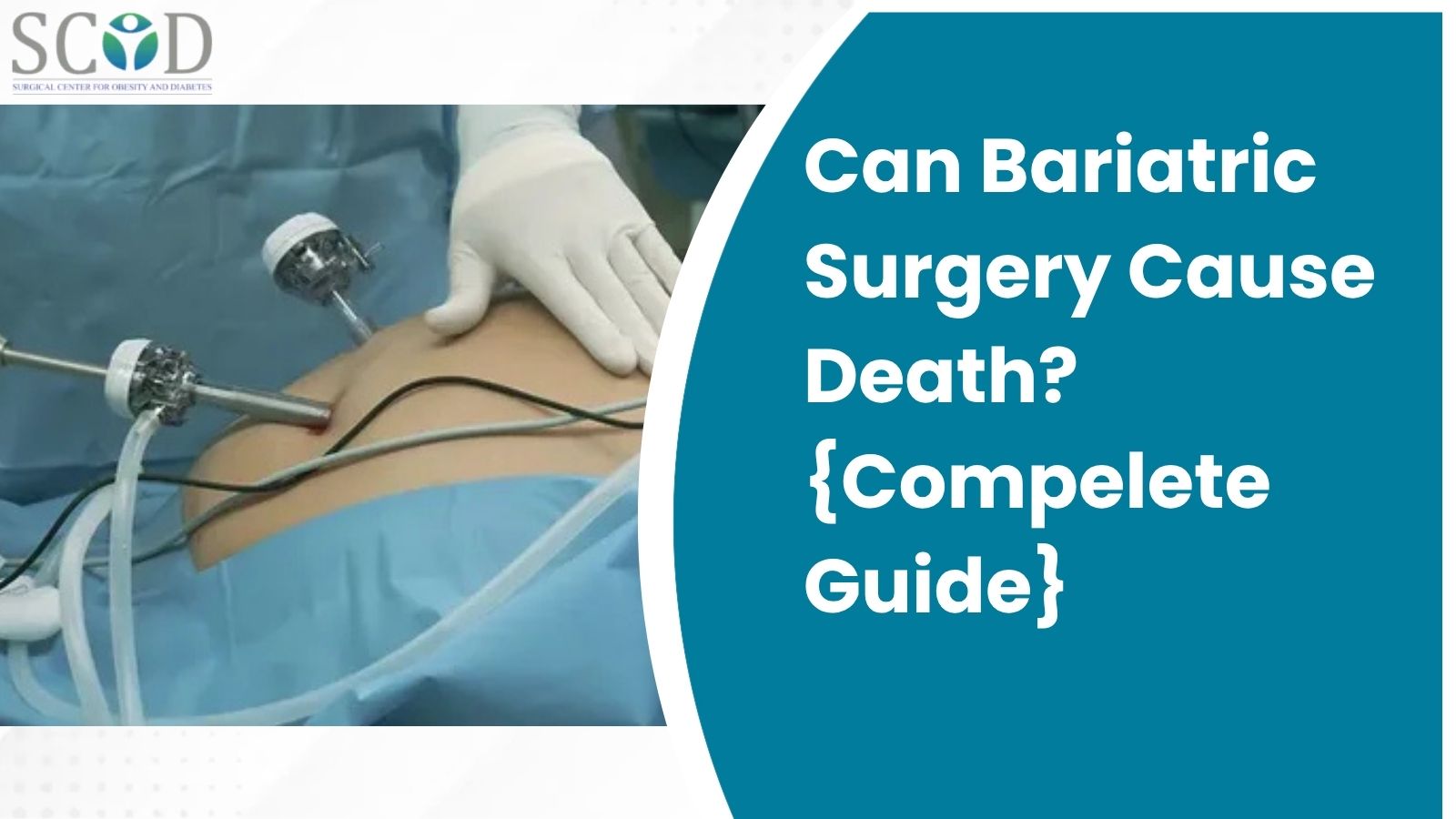
Bariatric surgery has emerged as one of the most effective and durable solutions for individuals battling severe obesity and its associated health disorders. For many, weight loss procedures like gastric sleeve or gastric bypass are not just cosmetic adjustments; they are medical interventions designed to reverse life-threatening diseases such as type 2 diabetes, chronic hypertension, heart complications, and severe sleep apnea. However, because it involves altering the digestive tract under general anesthesia, candidates frequently express a highly serious and valid concern: can bariatric surgery cause death?
It is completely natural to feel anxious about the safety of any major surgery. In the past, weight loss surgery carried higher complication rates due to open-surgical approaches and less advanced technology. Today, thanks to laparoscopic and robotic techniques, the landscape of surgical safety has completely transformed. Knowing the real numbers, risks, and preventative steps is essential for making an informed decision. Working with an expert clinical team led by a highly experienced specialist, such as the Best Bariatric Surgeon in Delhi, ensures you receive world-class care and personalized monitoring to reduce surgical risks to the absolute minimum.
In this detailed guide, we will break down the safety statistics surrounding weight loss surgery. We will directly answer your questions about the overall bariatric surgery death rate, identify the most common cause of death after bariatric surgery, evaluate who might face a higher bariatric surgery risk of death, and explore the measures taken before, during, and after surgery to secure a safe and successful recovery.
Can Bariatric Surgery Cause Death?
Yes, bariatric surgery can cause death, but it is extremely rare. Modern clinical statistics show that the risk of dying from weight loss surgery is less than 0.1% (about 1 in 1,000 cases), making it as safe as common procedures like gallbladder removal or knee replacement.
While the risk of mortality exists, it is vital to contrast it against the long-term mortality risks of leaving severe obesity untreated. Chronic morbid obesity significantly lowers life expectancy by increasing the risks of stroke, cardiovascular disease, and multiple cancers. Multiple long-term medical studies have shown that patients who undergo weight loss surgery have a much lower overall death rate over a 5 to 10-year period compared to obese individuals who do not have surgery. In other words, the risk of untreated severe obesity is far higher than the minor risk associated with the procedure itself.
The Statistics: Bariatric Surgery Death Rate
To put the safety of weight loss procedures into perspective, we must look at the historical data. Decades ago, the bariatric surgery death rate was estimated between 1% and 2%. This was because surgeries were performed using large open incisions, which increased the risk of severe wound infections, hernias, and cardiovascular strain.
Today, the vast majority of procedures are performed using minimally invasive laparoscopic techniques. Small camera-guided tools are inserted through tiny keyhole incisions, resulting in faster healing, less pain, and significantly reduced strain on the heart and lungs. According to massive patient registries maintained by the American Society for Metabolic and Bariatric Surgery (ASMBS) and global health organizations:
- The 30-day mortality rate for laparoscopic gastric sleeve (sleeve gastrectomy) is approximately 0.08%.
- The 30-day mortality rate for laparoscopic gastric bypass (Roux-en-Y) is approximately 0.15%.
- The average overall bariatric surgery death rate across all procedures is stable at roughly 0.1%.
To understand how safe this is, compare it to other common surgeries. The risk of death from a standard gallbladder removal (cholecystectomy) is about 0.1% to 0.2%, and hip replacement surgery carries a risk of around 0.15%. This highlights that modern weight loss surgery is one of the safest abdominal procedures performed today.
Most Common Cause of Death After Bariatric Surgery
While the overall safety is very high, complications can still occur. Understanding the underlying causes of severe complications allows surgeons and patients to identify warning signs early and intervene quickly. Clinical data indicates that the following are the primary contributors to serious post-operative risks:
1. Pulmonary Embolism (Blood Clots)
Historically, a pulmonary embolism (PE) has been the most common cause of death after bariatric surgery. Severe obesity naturally alters blood flow and increases the baseline risk of blood clotting. During surgery and the early recovery period, prolonged inactivity can cause blood clots to form in the deep veins of the legs (Deep Vein Thrombosis, or DVT). If a portion of this clot breaks free, it can travel through the bloodstream to the lungs, blocking the pulmonary arteries. A large blockage can lead to sudden respiratory and cardiac arrest.
To combat this risk, modern surgical teams use strict preventative protocols. These include giving blood-thinning medications before and after surgery, placing sequential compression devices (mechanical leg pumps) on the patient during the operation, and enforcing early mobilization. Getting the patient up and walking within a few hours of waking up is one of the most effective ways to prevent blood clots.
2. Anastomotic Leaks and Severe Sepsis
An anastomotic leak occurs when a connection or staple line created during the reconstruction of the stomach or intestines fails to seal completely, allowing digestive juices and semi-digested food to escape into the sterile abdominal cavity. This leak can cause a severe abdominal infection called peritonitis. If the infection is not diagnosed and managed immediately, it can enter the bloodstream, triggering sepsis (a life-threatening systemic inflammatory reaction) and multi-organ failure.
Leaks typically develop within the first 3 to 7 days after surgery. Experienced surgeons utilize intraoperative leak tests, dye tests, and advanced stapling technologies to ensure structural integrity. Early signs of a leak include a sudden spike in heart rate (tachycardia), persistent fever, severe abdominal pain, and shoulder tip pain. Fast diagnostic imaging and immediate surgical repair or endoscopic stenting are crucial for preventing fatal outcomes.
3. Cardiac Events (Heart Attacks)
Many patients undergoing bariatric surgery have underlying, sometimes undiagnosed, cardiovascular issues. The physical stress of surgery, changes in fluid balance, and the effects of general anesthesia can place temporary stress on the heart. In vulnerable individuals, this can trigger cardiac arrhythmia, congestive heart failure, or a myocardial infarction (heart attack).
Comprehensive pre-operative cardiac screenings, including electrocardiograms (ECGs), echocardiograms, and stress tests, are mandatory to evaluate cardiac risk and clear patients safely for anesthesia.
4. Severe Internal Bleeding
Bleeding can occur along the cut edges of the stomach or bypassed intestine. While minor post-operative bleeding often resolves on its own, rapid or heavy internal bleeding requires immediate intervention. If left undetected, massive blood loss can lead to hemorrhagic shock and cardiac arrest. Surgeons monitor post-operative blood counts, heart rate, and blood pressure closely to detect any signs of internal bleeding early.
Bariatric Surgery Risk of Death: Who is at Higher Risk?
The risk of complications is not equal for every patient. Certain medical, demographic, and physical factors can elevate the baseline bariatric surgery risk of death. Doctors use scoring systems, such as the Obesity Surgery Mortality Risk Score (OSMRS), to identify high-risk candidates and take extra precautions. The primary risk factors include:
| Risk Factor | Description | Clinical Impact |
|---|---|---|
| Extreme BMI (BMI > 50) | Super-obesity increases the technical difficulty of the surgery. | Longer operating times and higher anesthetic demands. |
| Advanced Age (Over 65) | Older patients often have less physiological reserve to handle stress. | Higher risk of post-operative cardiac and pulmonary complications. |
| Male Gender | Men tend to carry more visceral (intra-abdominal) fat than women. | Increases surgical complexity and pressure on diaphragm. |
| Prior Blood Clots (DVT/PE) | A medical history of thrombosis indicates a hypercoagulable state. | Requires strict and tailored blood thinner regimens. |
| Severe Hypertension / Heart Disease | Pre-existing cardiovascular compromise. | Vulnerability to anesthesia-induced blood pressure shifts. |
Even if you fall into one or more of these high-risk categories, it does not mean you cannot undergo surgery. Instead, it indicates that your surgical team will prepare a highly customized treatment plan, which may involve pre-surgical weight loss, optimized medical management, and closer post-operative monitoring in an intensive care unit (ICU) for the first 24 hours.
Timeline: When Do Complications and Death After Bariatric Surgery Occur?
The period of risk can be divided into distinct phases, each requiring different monitoring strategies:
Immediate Post-Operative Period (Days 1–7)
This is the phase of highest clinical vigilance. Complications that can lead to acute death after bariatric surgery, such as severe anesthesia reactions, acute internal bleeding, and early anastomotic leaks, usually manifest during this window. Patients are typically monitored in the hospital for the first 2 to 3 days to ensure they can tolerate oral fluids, have stable vital signs, and show no signs of infection.
Early Recovery Phase (Weeks 2–6)
During this time, patients are recovering at home. The risk of delayed leaks, deep wound infections, and pulmonary embolism remains present. Dehydration due to poor fluid intake can also stress the kidneys and cardiovascular system. Strict compliance with drinking guidelines and taking prescribed medications is vital.
Late Recovery Phase (Month 2 and Beyond)
Mortality directly related to the surgical procedure itself drops significantly after the first 30 to 90 days. Late complications, while rarely fatal, can include severe nutritional deficiencies, bowel obstructions, or chronic ulcers. These require ongoing medical management but rarely pose an immediate threat to life if addressed promptly.
How to Minimize the Risks: Ensuring a Safe Surgery
Minimizing the risk of severe complications requires a partnership between the patient and the surgical team. By following strict medical guidelines, you can protect your health and ensure a smooth recovery:
1. Comprehensive Pre-Operative Assessment
A thorough medical workup is the foundation of safety. This includes blood evaluations, cardiovascular testing, pulmonary function tests, and nutritional checks. Identifying and optimizing conditions like uncontrolled diabetes, high blood pressure, or sleep apnea before surgery significantly lowers intraoperative complications.
2. Choosing an Experienced Surgical Team
Surgical outcomes are closely tied to the experience of the surgeon and the volume of the clinic. High-volume centers have structured safety protocols, advanced equipment, and specialized intensive care backup. Consulting an expert like Dr. Arush Sabharwal, who utilizes advanced minimally invasive techniques, ensures that surgical times are kept short and tissue trauma is minimized.
3. Adherence to the Pre-Op Liquid Diet
Most surgeons require patients to follow a specialized low-calorie, low-carbohydrate liquid diet for 1 to 2 weeks before surgery. This diet shrinks the liver, which sits directly over the stomach. A smaller, less fatty liver is easier to retract during laparoscopic surgery, giving the surgeon a clearer view of the stomach and reducing the risk of accidental organ injury or bleeding.
4. Strict Compliance with Post-Op Recovery Guidelines
After surgery, your clinical team will provide detailed instructions regarding diet progression, hydration, activity levels, and warning symptoms. Prioritizing fluid intake to prevent dehydration, walking frequently to prevent deep vein blood clots, and avoiding prohibited medications like NSAIDs are essential steps for protecting your body during the critical recovery phase.
Why SCOD Clinic is Your Trusted Partner
Deciding to undergo bariatric surgery is a major milestone that requires trust, expert clinical support, and comprehensive long-term care. At SCOD Clinic, patient safety is our highest priority. We believe that successful weight loss is not just about the surgery itself, but about the quality of care that surrounds it.
Our clinic offers a multidisciplinary approach, combining advanced surgical expertise with dedicated nutritional counseling, metabolic monitoring, and psychological support. Under the leadership of Dr. Arush Sabharwal, recognized as the Best Bariatric Surgeon in Delhi, we utilize state-of-the-art minimally invasive and laparoscopic technologies to maximize safety, minimize pain, and promote rapid recovery. We conduct rigorous pre-operative evaluations to map out any risk factors and customize every procedure to the patient's unique anatomy. Our comprehensive post-operative follow-up programs ensure you are closely monitored throughout your journey, helping you achieve your weight loss goals safely and confidently.
Frequently Asked Questions
Can bariatric surgery cause death?
While bariatric surgery is a major surgical procedure and carries a small risk of severe complications, the risk of death is extremely low. Modern clinical statistics place the bariatric surgery death rate at approximately 0.1% (or about 1 in 1,000 cases), which is comparable to routine surgeries like gallbladder removal.
What is the most common cause of death after bariatric surgery?
The most common cause of death after bariatric surgery is pulmonary embolism (a blood clot that travels to the lungs), followed closely by anastomotic leaks (leaks from the surgical staple lines leading to peritonitis and sepsis), and sudden cardiac events (heart attacks in patients with underlying cardiovascular disease).
How high is the bariatric surgery risk of death for high-risk patients?
The bariatric surgery risk of death is slightly higher for individuals who have extreme BMIs (greater than 50), are over 65 years of age, are male, or have severe pre-existing heart or lung conditions. For these patients, the risk may rise to about 0.5% to 1%, but it remains low and is managed through customized pre-operative and post-operative clinical monitoring.
When are complications and death after bariatric surgery most likely to occur?
Severe complications and death after bariatric surgery are most likely to occur within the first 30 days following the procedure, with the highest risk period being the first week. This is when acute issues like internal bleeding, staple line leaks, and pulmonary embolisms typically present.
Is the risk of leaving severe obesity untreated higher than bariatric surgery?
Yes, multiple clinical studies show that the long-term mortality risk of leaving severe obesity untreated is significantly higher than the short-term risks of bariatric surgery. Obesity reduces life expectancy by causing cardiovascular disease, diabetes, and cancers, while bariatric surgery increases long-term survival rates.
How does walking early after surgery prevent death?
Walking early (within a few hours of surgery) stimulates blood circulation in the legs. This active muscle movement prevents the formation of blood clots in the deep veins (DVT), which are a leading cause of fatal pulmonary embolisms after weight loss surgery.