How To Get Rid of CO2 After Laparoscopic Surgery?
Introduction
Laparoscopic surgery, often referred to as keyhole or minimally invasive surgery, has revolutionized modern medicine. By using small incisions instead of large openings, it allows patients to recover much faster, experience less post-operative pain, and return to their normal lives quickly. However, despite these benefits, many patients waking up from a laparoscopic procedure are surprised by a specific and often intense type of discomfort: a bloating sensation in the abdomen accompanied by sharp, aching pain in their shoulders.
This discomfort is not caused by the surgical cuts themselves, but rather by the gas used during the procedure. To perform the surgery safely, doctors inflate the abdomen with carbon dioxide (CO2). While surgeons remove as much gas as possible before closing the incisions, a small amount of trapped gas is always left behind. Understanding how to get rid of co2 after laparoscopic surgery is key to achieving a comfortable recovery. Under the specialized care of a premier Laparoscopic Surgeon in Delhi, patients receive comprehensive guidance on managing this common side effect. In this detailed guide, we will explore the science behind post-laparoscopic gas pain and outline simple, clinically proven ways to accelerate its elimination.
Understanding Laparoscopic Surgery
Laparoscopic surgery is a minimally invasive surgical technique that utilizes tiny incisions, a camera, and specialized tools to perform abdominal and pelvic procedures with minimal tissue damage.
Historically, traditional abdominal surgery required large incisions (sometimes 6 to 12 inches long) to give surgeons a direct view and physical access to the organs. While effective, open surgery is associated with longer hospital stays, significant scarring, higher infection rates, and prolonged recovery periods. In contrast, laparoscopy requires only a few small incisions, usually ranging from 0.5 to 1.5 centimeters.
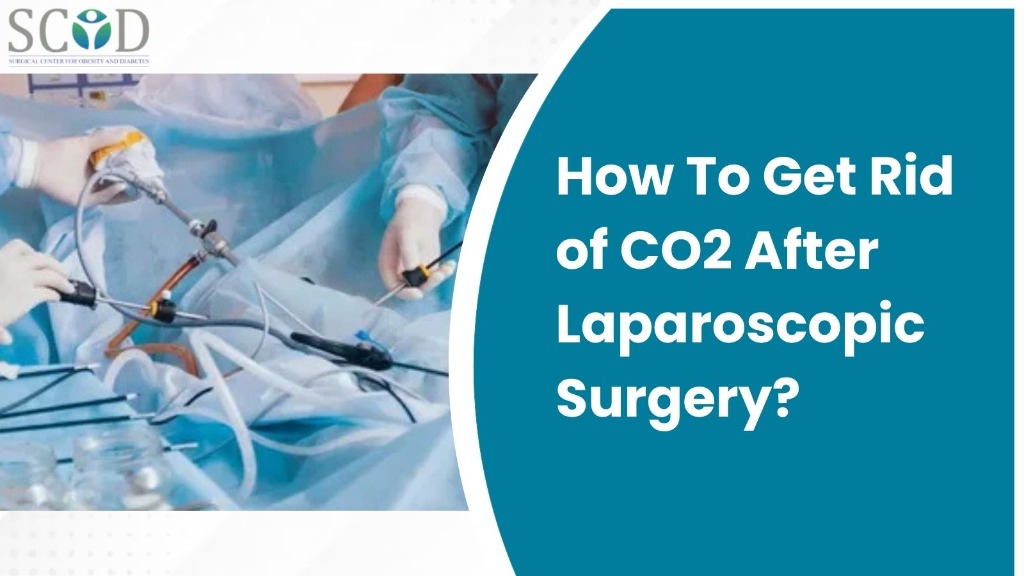
During the procedure, the surgeon inserts a laparoscope—a thin, lighted tube equipped with a high-definition video camera—through one of the incisions. This camera projects a magnified, real-time image of the internal organs onto a monitor in the operating room. Using specialized, long-shafted surgical instruments inserted through the other tiny incisions, the surgeon performs the operation with high precision. Choosing an experienced specialist like Dr. Arush Sabharwal ensures that these advanced surgical protocols are followed to minimize tissue trauma and promote a seamless post-operative experience.
Role of CO2 in Laparoscopic Surgery
Carbon dioxide (CO2) is used as an insufflation gas to inflate the abdominal cavity, creating a physical workspace and providing clear visibility for the surgeon.
When a patient lies on the operating table, the abdominal wall naturally rests flat against the internal organs, leaving no empty space. To perform surgery safely, the surgeon must create a clear, visible workspace. This is achieved through a process called insufflation, where a harmless gas is gently pumped into the peritoneal cavity to lift the abdominal wall away from the organs. This temporary dome-like space is known as a pneumoperitoneum.
Carbon dioxide is the preferred choice for this process for several crucial reasons:
- Safety: CO2 is non-flammable. This is critical because surgeons frequently use electrocautery or laser instruments during surgery, which could ignite other gases like oxygen.
- Rapid Absorption: CO2 is highly soluble in human tissues. The body can absorb it quickly into the bloodstream, where it is easily transported and eliminated.
- Natural Clearance: The human body produces CO2 naturally as a byproduct of cellular metabolism, meaning our physiological systems are already equipped to handle and expel it safely through the lungs.
At the end of the operation, the surgeon opens the valves on the surgical ports (trocars) to let the gas escape. However, because the abdominal cavity is highly contoured, complete evacuation is rarely possible, leaving behind some residual co2 after laparoscopic surgery.
Methods to Expel CO2 After Laparoscopic Surgery
The human body removes residual laparoscopic CO2 by absorbing it through the peritoneal membrane into the blood, converting it, and exhaling it via the respiratory system.
It is a common misconception that post-operative gas pain is the same as digestive gas (such as flatulence or burping). In reality, the residual CO2 gas is trapped in the peritoneal cavity—the space surrounding your stomach, intestines, liver, and spleen. It is completely outside the digestive tract. Therefore, natural bowel movements or passing intestinal wind will not directly release this trapped abdominal gas.
Instead, the clearance of CO2 relies entirely on the body's vascular and respiratory systems. The gas dissolves across the peritoneal membrane and enters the blood vessels lining the abdominal cavity. Once in the bloodstream, the dissolved CO2 travels to the lungs. There, the respiratory system performs a gas exchange, allowing you to breathe out the carbon dioxide. This physiological pathway highlights why maintaining healthy respiration and circulation is the primary mechanism for expelling the gas.
Furthermore, understanding this pathway explains the mechanism of co2 pain after laparoscopic surgery. The residual gas rises to the highest point in the abdomen when you are upright, which is directly beneath the diaphragm. As the gas collects, it breaks down into carbonic acid, irritating the diaphragm and the phrenic nerve. Since the phrenic nerve originates in the neck and shoulders, this irritation sends signals to the brain that are perceived as pain in the shoulder tip—a classic phenomenon known as referred pain.
Risks of Inadequate CO2 Expulsion
While slow CO2 clearance is generally harmless, it can cause persistent discomfort, severe bloating, referred shoulder pain, and mild breathing difficulties.
For the vast majority of patients, the retention of a small amount of CO2 is a temporary nuisance rather than a medical danger. However, if the gas is not eliminated efficiently, it can lead to several prolonged symptoms:
- Prolonged referred pain: Severe, sharp pain in the shoulders, collarbones, or neck that can make moving, lying down, or resting difficult.
- Abdominal bloating and pressure: A feeling of tightness or fullness in the abdomen, which can place stress on the surgical incisions.
- Mild shortness of breath: Irritation of the diaphragm can make taking deep breaths uncomfortable, leading to shallow breathing.
In extremely rare cases, excessive absorption of CO2 during very long surgeries can lead to a condition called hypercapnia (abnormally high levels of carbon dioxide in the blood), which can alter blood pH (acidosis). Fortunately, modern anesthetic monitoring ensures that blood gas levels are continuously tracked, making clinical complications from gas retention exceptionally rare. If you experience severe shortness of breath, a rapid heart rate, or persistent high fevers, you should contact SCOD Clinic immediately for medical evaluation.
How Laparoscopy Affects CO2 Retention
The volume of retained CO2 is influenced by the length of the surgery, the insufflation pressure used, the patient's positioning, and their baseline respiratory health.
Not every patient experiences the same level of gas discomfort after surgery. Several clinical factors dictate how much carbon dioxide is absorbed and retained by the tissues:
| Factor | Effect on CO2 Retention |
|---|---|
| Surgical Duration | Longer procedures expose the peritoneal cavity to gas for a longer time, increasing tissue absorption and retention. |
| Insufflation Pressure | Higher gas pressures push more CO2 into the capillary beds and stretch the diaphragm, leading to more intense referred pain. |
| Patient Position | Surgeries requiring tilted positions (like the Trendelenburg position) allow gas to migrate and settle deep into specific recesses of the abdomen. |
| Post-Op Activity Level | Early movement increases blood circulation and respiration, speeding up clearance, while prolonged bed rest slows it down. |
During surgery, an expert team carefully monitors these variables. Minimizing the insufflation pressure and thoroughly suctioning out residual gas before closing are standard practices that help reduce post-operative pain.
Ways to Accelerate CO2 Elimination After Surgery
You can accelerate CO2 elimination by walking early, performing deep breathing exercises, utilizing heat therapy, and maintaining proper resting posture.
Since the clearance of CO2 depends on the blood carrying it to the lungs, your recovery strategies should focus on stimulating blood flow and lung activity. Here are the most effective clinical methods to help you get rid of the gas:
1. Gentle and Early Mobilization (Walking)
Walking is the single most effective way to eliminate post-laparoscopic gas. When you walk, your heart rate increases slightly, which improves blood circulation throughout your body—including the blood vessels lining your abdominal cavity. This allows the blood to absorb the trapped CO2 at a much faster rate.
Additionally, walking encourages deeper respiration, which helps you exhale the carbon dioxide more rapidly. It also stimulates the natural movement of your intestines (peristalsis), which helps relieve any secondary gas buildup in the digestive tract. Start with short, slow walks down the hospital hallway or around your home a few times a day, increasing your distance gradually as tolerated.
2. Focused Deep Breathing and Coughing Exercises
Deep breathing exercises are essential for lung expansion and efficient gas exchange. Because pain from abdominal incisions can make patients take shallow breaths, CO2 can build up in the system. Deep breathing helps clear this buildup.
Practice taking slow, deep diaphragmatic breaths: inhale deeply through your nose, hold the breath for a few seconds, and exhale slowly through your mouth. If your hospital provided an incentive spirometer, use it as directed (typically 10 times every hour while awake). Supporting your abdomen with a small pillow when coughing or deep breathing can also protect your incisions and reduce discomfort.
3. Heat Therapy for Referred Shoulder Pain
Since the shoulder pain is referred nerve pain, applying heat to the shoulder area can help soothe the irritated nerve pathways and relax the surrounding muscles. Heat also dilates blood vessels, which can improve localized blood flow and aid in systemic circulation.
Apply a warm compress, heating pad, or warm water bottle to your shoulders or upper back for 15 to 20 minutes at a time. Caution: Never apply heating pads directly over your surgical incisions or on numb areas of skin, as this can lead to burns or wound complications.
4. Optimize Posture and Resting Positions
Lying completely flat on your back can allow gas to settle directly under your diaphragm, worsening shoulder pain. Adjusting how you rest can encourage the gas to move and absorb more comfortably.
Try resting in a semi-reclined position with your upper body elevated at a 30 to 45-degree angle using pillows or a reclining chair. This position reduces the pressure of the gas against the diaphragm. Alternatively, lying on your side (often the left side) can help shift the gas to areas where it may be absorbed more readily.
5. Hydration with Warm Liquids
Staying well-hydrated helps maintain optimal blood volume, which supports the transport of dissolved CO2 through the bloodstream. Drinking warm liquids, such as warm water, peppermint tea, or chamomile tea, can also help. While these liquids do not directly dissolve the extra-intestinal CO2 gas, they soothe the digestive tract, stimulate bowel motility, and reduce internal bloating, which helps lower overall abdominal pressure and discomfort.
Final Thoughts
Experiencing shoulder discomfort and abdominal bloating after laparoscopic surgery can be unexpected, but it is a normal and temporary part of the recovery process. The gas pain typically peaks within the first 24 to 48 hours and resolves completely within 3 days as your body naturally absorbs and exhales the remaining CO2. By practicing early walking, deep breathing, and utilizing simple comfort measures like heat therapy, you can significantly reduce your recovery time.
Partnering with a dedicated surgical team is essential for a safe and comfortable recovery. At SCOD Clinic, under the leadership of Dr. Arush Sabharwal, a renowned Laparoscopic Surgeon in Delhi, we are committed to providing personalized post-operative support. Our clinical team works closely with each patient to manage side effects, monitor progress, and ensure a smooth recovery. With professional guidance and active recovery choices, you can quickly move past post-operative discomfort and enjoy the long-term benefits of your procedure.
Frequently Asked Questions
How to get rid of co2 after laparoscopic surgery?
To get rid of CO2 after laparoscopic surgery, the most effective method is gentle walking. Walking improves blood circulation, which helps the body absorb the trapped gas from the abdominal cavity and transport it to the lungs to be exhaled. Deep breathing exercises and staying hydrated also accelerate this natural elimination process.
Why does co2 pain after laparoscopic surgery affect the shoulder?
The CO2 pain in the shoulder is called referred pain. It occurs because the trapped carbon dioxide gas rises to the top of the abdomen, irritating the diaphragm and the phrenic nerve. Since the phrenic nerve is connected to nerves in the neck and shoulder area, the brain perceives this diaphragmatic irritation as pain in the shoulder tip.
How long does co2 after laparoscopic surgery stay in the body?
The majority of the residual carbon dioxide gas is absorbed and eliminated by the body within 24 to 72 hours after the procedure. The associated gas bloat and shoulder pain typically peak on the first or second day and resolve completely by the third or fourth day post-surgery.
Does taking Simethicone or Gas-X help with laparoscopic gas pain?
Simethicone (Gas-X) does not directly relieve laparoscopic shoulder pain. This is because Simethicone works inside the digestive tract to break up intestinal gas bubbles, whereas the laparoscopic CO2 is trapped outside the intestines in the abdominal cavity. However, it can help relieve secondary gas bloating within the gut that often occurs after surgery.
Can I use a heating pad to relieve post-operative gas pain?
Yes, you can apply a heating pad or a warm compress to your shoulders or upper back to help soothe the referred nerve pain and relax tense muscles. However, you must avoid placing the heating pad directly over your surgical incisions or on any areas that are numb from anesthesia, as this could lead to skin burns or interfere with wound healing.
Can I lie down flat after laparoscopic surgery if I have gas pain?
It is generally recommended to avoid lying completely flat if you are experiencing CO2 gas pain. When flat, the trapped gas rests directly against the diaphragm, which worsens referred shoulder pain. Instead, rest in a semi-reclined position with your chest elevated at a 30 to 45-degree angle or sleep on your side to reduce pressure on the diaphragm.
Does drinking warm water or peppermint tea help expel laparoscopic CO2?
Yes, warm liquids and peppermint tea can help indirectly. While they cannot directly dissolve the carbon dioxide gas trapped outside your intestines, they stimulate your gastrointestinal tract, promote bowel movements, and relieve internal digestive gas. This relieves pressure in the abdomen, making the diaphragmatic gas irritation less uncomfortable.
When should I contact my surgical team about post-operative gas pain?
You should contact your doctor or surgical team if your shoulder or abdominal pain worsens after 3 to 4 days, or if it is accompanied by high fever, severe abdominal tenderness, persistent vomiting, difficulty breathing, or signs of infection around the surgical cuts (such as redness, swelling, or yellow discharge).