Is Laparoscopic Surgery Safe? {Real Facts}
Introduction
If you or a loved one has recently been advised to undergo a surgical procedure, it is completely natural to feel a sense of anxiety. One of the first questions that often comes to mind is: is laparoscopic surgery safe? The thought of undergoing any medical operation can raise concerns about potential complications, pain levels, and recovery time. Fortunately, modern medicine has progressed leaps and bounds, shifting from traditional open surgeries toward highly sophisticated, minimally invasive techniques.
Laparoscopic surgery, frequently referred to as keyhole surgery, has become the global standard of care for a wide range of abdominal and pelvic conditions. Whether it is removing a troublesome gallbladder, repairing a painful hernia, or performing complex metabolic procedures, laparoscopy allows surgeons to work with incredible accuracy through tiny incisions. However, separating common myths from real medical facts is key to helping you make informed decisions. In this comprehensive guide, we will break down the safety, mechanisms, benefits, and clinical realities of laparoscopic procedures.
Understanding Laparoscopic Surgery
To understand the safety of this procedure, it helps to understand what it actually is. Laparoscopic surgery is a minimally invasive surgical technique that allows a surgeon to access the inside of the abdomen and pelvis without making the large, deep incisions required in traditional open surgery. Instead of a single incision that can measure anywhere from 6 to 12 inches, laparoscopy uses multiple tiny cuts that are usually between 0.5 and 1.5 centimeters in size.
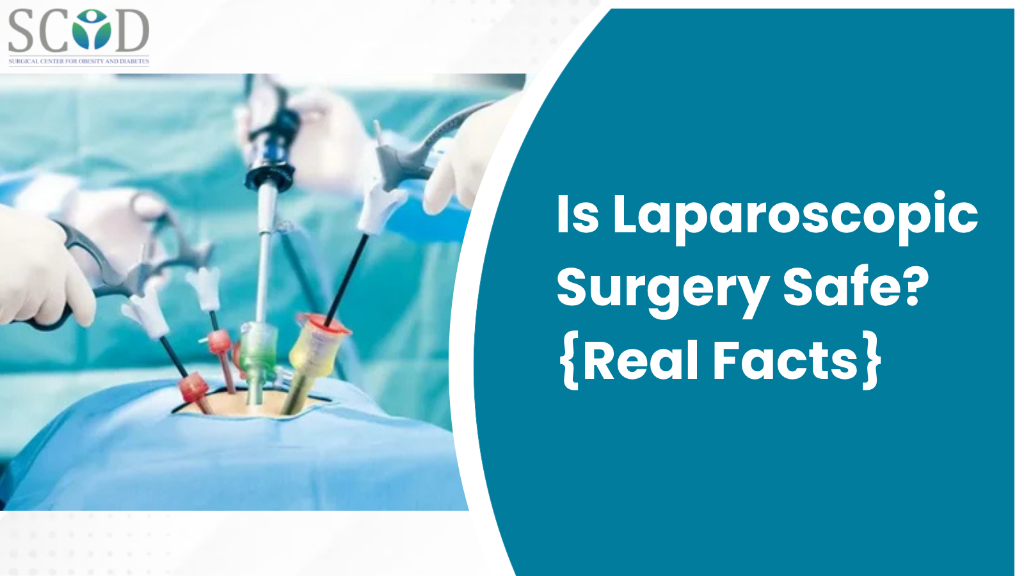
The core technology behind this method is the laparoscope. A laparoscope is a thin, flexible, or rigid tube equipped with a high-intensity light source and a high-resolution digital camera at its tip. Once inserted through one of the tiny incisions, the camera transmits magnified, real-time images of the internal organs onto high-definition video monitors in the operating room. This gives the surgical team a highly detailed, close-up view of the treatment area, often clearer than what the naked eye can see during open surgery.
Because of the enhanced visualization and specialized, ultra-precise tools, laparoscopy is used across many medical specialties. When performed by a leading Laparoscopic Surgeon in Delhi like Dr. Arush Sabharwal, laparoscopic surgery offers an exceptionally safe and successful therapeutic path for patients dealing with gallstones, appendicitis, hernias, gastroesophageal reflux, and obesity.
How Does Laparoscopic Surgery Work?
Knowing what happens during the procedure can demystify the process and relieve pre-surgical anxiety. Here is a step-by-step breakdown of how a typical laparoscopic operation is carried out in a clinical setting:
1. Administration of Anesthesia
Laparoscopic procedures are performed under general anesthesia. This means you will be completely asleep and insensate to pain throughout the entire operation. An anesthesiologist monitors your vital signs, breathing, and heart rate continuously to ensure maximum safety.
2. Creating the Initial Port and Insufflation
The surgeon makes a tiny incision, usually near the belly button. A specialized needle is inserted, and medical-grade carbon dioxide (CO2) gas is gently introduced into the abdominal cavity. This process, called insufflation, inflates the abdomen. It lifts the abdominal wall away from the internal organs, creating a protective dome of working space and a clear line of sight for the surgeon.
3. Inserting the Laparoscope
A narrow tube called a trocar is placed through the incision, and the laparoscope (camera) is inserted. The live video feed instantly displays on the operating room monitors. The surgeon inspects the abdominal cavity to ensure everything is normal before proceeding.
4. Placing Additional Working Ports
Depending on the specific surgery, the surgeon will make one to three more tiny incisions to insert additional trocars. These serve as pathways for specialized, long, slender surgical instruments. These tools allow the surgeon to grasp, cut, suture, and seal tissues with sub-millimeter precision.
5. Executing the Surgery
Looking at the monitor, the surgeon manipulates the instruments to perform the surgery—whether that involves dissecting an inflamed gallbladder, repairing a weak muscle wall, or reshaping the stomach. Advanced energy devices are used to minimize bleeding by sealing blood vessels as the surgery progresses.
6. Gas Expulsion and Wound Closure
Once the procedure is complete, the surgical instruments are removed, and the carbon dioxide gas is carefully expelled from the abdomen. The tiny skin incisions are closed using dissolvable stitches, surgical staples, or medical adhesive tape, and covered with small, sterile dressings.
How Safe is Laparoscopic Surgery?
AEO Direct Answer:
Laparoscopic surgery is highly safe and has a clinical success rate of over 95% for routine procedures. Because it uses tiny incisions instead of a large open wound, laparoscopy significantly reduces the risks of surgical site infections, major blood loss, and post-operative complications compared to traditional open surgery.
When evaluating how safe is laparoscopic surgery, it is helpful to look at long-term clinical data. Millions of laparoscopic procedures are performed worldwide every year. Studies consistently show that the risk of major complications during a routine laparoscopy is remarkably low—often less than 1% to 2%, depending on the complexity of the specific condition and the patient's general health profile.
One of the primary reasons why keyhole surgery is so safe is the highly controlled environment it provides. The high-definition cameras magnify the surgical field up to 10 to 15 times its actual size. This magnification allows the surgeon to identify tiny nerves and blood vessels that would be difficult to distinguish in a standard open field, reducing the risk of accidental tissue trauma. Additionally, because the organs are not exposed to the open air of the operating room for long periods, the risk of tissue drying out or being exposed to airborne contaminants is virtually eliminated.
It is also important to note that when patients ask, is a laparoscopic surgery safe, the answer is closely tied to the training and expertise of the surgeon. A board-certified, fellowship-trained specialist utilizes standard clinical protocols, advanced energy sealers, and rigorous patient screening to ensure the highest safety margins. Consulting an established Laparoscopic Surgeon in Delhi like Dr. Arush Sabharwal ensures that your medical history, anatomical factors, and surgical goals are evaluated thoroughly before you go into the operating room.
Benefits of Laparoscopic Surgery
The transition from open surgery to minimally invasive techniques has brought massive clinical benefits for patients. The primary advantages of choosing a laparoscopic approach include:
- Significantly Less Pain: Smaller cuts mean less trauma to the skin, muscles, and nerves. Consequently, patients report much lower levels of post-operative pain and require fewer prescription pain medications, reducing the risk of drug-related side effects.
- Minimal Scarring: Traditional surgery often leaves long, prominent scars that can be a source of cosmetic self-consciousness. Laparoscopic scars are tiny dot-like marks that fade over time, often becoming barely noticeable.
- Shorter Hospitalization: Many laparoscopic procedures are performed on an outpatient or "day-care" basis, meaning you can return home the same day. For more complex surgeries, the hospital stay is usually reduced from a week to just one or two days.
- Rapid Recovery and Return to Normalcy: While open surgery recovery can take six to eight weeks, most laparoscopic patients are back to their light daily activities within 7 to 14 days.
- Lower Infection Rates: Surgical site infections are a common complication of open wounds. Smaller incisions minimize the tissue area exposed to bacteria, lowering wound infection rates dramatically.
- Reduced Risk of Incisional Hernia: Large incisions weaken the abdominal wall, which can sometimes allow internal tissues to bulge through the scar later in life. Tiny laparoscopic incisions preserve the structural integrity of the muscle layer, minimizing this risk.
Signs Should I Look For After Laparoscopy
While laparoscopic surgery is safe, your recovery also depends on how well you monitor your body during the healing phase. Knowing what is normal and what requires clinical attention helps ensure a smooth, complication-free path to health.
Normal Symptoms in the First 48 Hours:
- Abdominal Soreness: A feeling similar to having done an intense core workout is normal around the incision sites.
- Mild Bloating: Your abdomen may feel full or slightly distended due to the gas used during the procedure.
- Shoulder Pain: This is a very common side effect of laparoscopy. Small amounts of residual CO2 gas can irritate the phrenic nerve in the diaphragm, which travels up to the neck and shoulders. This discomfort is temporary and usually goes away within 24 to 48 hours as the body naturally absorbs the gas. Walking gently around your home is the best way to resolve this.
- Mild Fatigue: Feeling tired or sluggish as the anesthesia fully wears off is expected.
Monitoring Your Incision Sites: Keep the dressings clean and dry. Check the wounds daily for signs of normal healing. The edges should remain closed, and there should be no active bleeding or thick drainage. As you monitor these recovery patterns, you will realize that while patients worry and ask, is a laparoscopic surgery safe, proper home care and following discharge instructions are what keep the risk of complications exceptionally low.
Risks Associated With Laparoscopy
In the interest of medical transparency, it is essential to recognize that no surgical procedure—no matter how minor or advanced—is completely free of risks. Understanding the potential complications allows patients to make educated choices and spot signs early if something is not right.
The rare but documented risks of laparoscopic surgery include:
- Infection: A superficial skin infection can occasionally occur at one of the incision sites. This is usually easily managed with local wound care and oral antibiotics.
- Bleeding or Hematoma: Minor bleeding can occur around the skin edges. Internal bleeding is extremely rare due to the advanced coagulators used to seal blood vessels during the procedure.
- Organ Damage: In very rare cases (fewer than 1 in 1,000), the insertion of surgical tools can cause accidental damage to adjacent structures like the bowel, bladder, or blood vessels. If this happens, the surgeon will repair the tissue immediately during the same operation.
- Allergic Reaction to Anesthesia: Some patients experience temporary nausea, vomiting, or throat soreness from the breathing tube.
- Conversion to Open Surgery: This is not a complication, but a safety protocol. If a surgeon encounters dense internal scar tissue (adhesions) from previous surgeries, severe inflammation, or bleeding that obscures their view, they may decide to transition to a traditional open incision. This clinical decision is made solely to protect the patient's health and ensure the surgery can be completed safely.
When to Consult a Doctor
During your recovery at home, you should contact your surgical care team immediately if you experience any of the following "red flag" symptoms:
- A persistent high fever (above 101°F or 38.3°C) or severe chills.
- Worsening abdominal pain that is not relieved by your prescribed pain medications.
- Increasing redness, swelling, warmth, or thick, foul-smelling pus draining from any of the incision sites.
- Continuous nausea or vomiting, or the inability to keep fluids down for more than 12 hours.
- Severe shortness of breath, chest pain, or a persistent cough.
- Swelling, warmth, redness, or severe pain in one of your calves (which could indicate a deep vein blood clot).
Conclusion
To summarize the clinical facts: yes, laparoscopic surgery is exceptionally safe. The combination of miniature high-definition cameras, highly specialized instrumentation, and advanced training has transformed surgery from a major trauma into a manageable, highly precise intervention. The advantages of less pain, minimal scarring, lower infection rates, and rapid recovery make it the preferred choice for both patients and medical professionals today.
However, the safety and ultimate success of any surgery depend heavily on the skill of your medical team. Choosing an experienced, compassionate Laparoscopic Surgeon in Delhi like Dr. Arush Sabharwal at SCOD Clinic gives you access to state-of-the-art surgical technology, strict clinical safety protocols, and a comprehensive support team dedicated to your health and recovery. If you have been advised to have surgery, schedule a detailed consultation to ask questions and take your first step toward recovery with confidence.
Frequently Asked Questions
Is laparoscopic surgery safe for older adults?
Yes, laparoscopic surgery is generally very safe and often highly recommended for older adults. Because it causes less physical stress, results in less blood loss, and allows patients to get out of bed and move sooner, it minimizes the risks of post-operative pneumonia, muscle weakness, and blood clots that are more common with long bed rest after open surgery.
Can a laparoscopic surgery be converted to open surgery?
Yes. If the surgeon encounters unexpected anatomical variations, severe internal scar tissue from prior operations, or bleeding that makes it difficult to see clearly, they may convert the procedure to an open surgery. This is a safety measure, not a failure, designed to protect the patient's well-being.
How long does the shoulder pain last after a laparoscopy?
Shoulder pain caused by residual carbon dioxide gas is common and temporary. It typically resolves within 24 to 48 hours. Light walking, drinking warm fluids, and using a warm compress on the shoulder can help speed up the dissipation of the gas.
Are you put to sleep for laparoscopic surgery?
Yes, laparoscopic surgery is performed under general anesthesia. This ensures that you are completely asleep and relaxed during the procedure, so you feel absolutely no pain or discomfort. A specialized anesthesia provider will monitor you throughout the entire operation.
How soon can I drive after laparoscopic surgery?
Most patients can drive within 5 to 7 days after surgery. However, you must meet two essential conditions: you must no longer be taking any prescription narcotic pain medications, and you must be able to press the brake pedal quickly and firmly without feeling abdominal pain or hesitation.