How can I get Gastric Bypass Surgery?
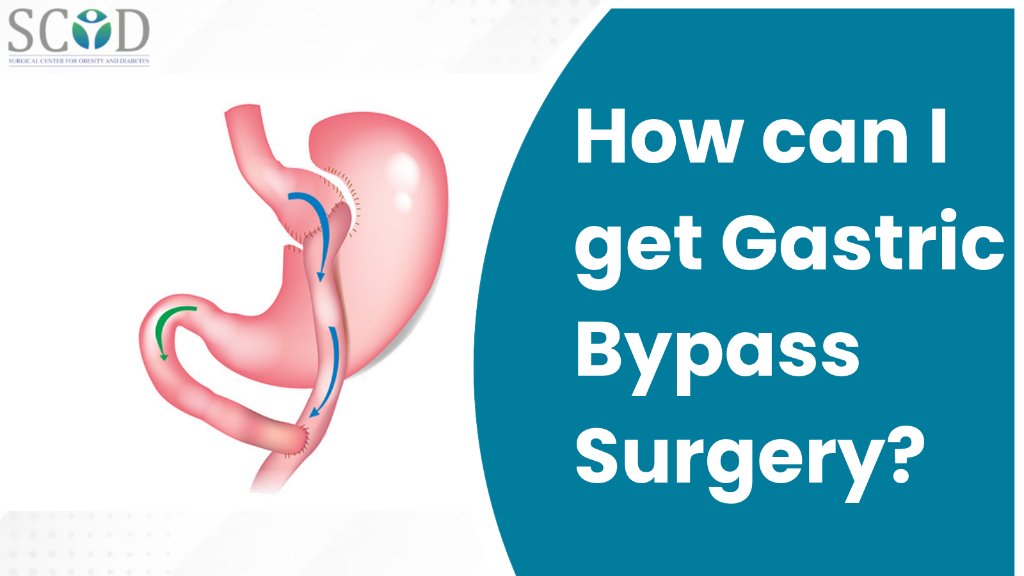
To get gastric bypass surgery, you must meet clinical eligibility criteria: typically a Body Mass Index (BMI) of 40 or higher, or a BMI of 35 or higher with obesity-related health conditions like type 2 diabetes, severe sleep apnea, or hypertension (or BMI 32.5 for Asian populations). The process involves scheduling an initial surgical consultation, completing multi-specialty evaluations (cardiology, pulmonology, gastroenterology, and nutrition), securing insurance pre-authorization, following a 10 to 14 day liver-shrinkage diet, and undergoing minimally invasive keyhole surgery.
- 1. Clinical Eligibility: Do You Qualify for Gastric Bypass?
- 2. The Complete Patient Roadmap: Step-by-Step
- 3. Mandatory Pre-Operative Medical Workup
- 4. Insurance Approval and Financial Coverage
- 5. The Pre-Surgery Liver Shrinkage Diet
- 6. What Happens on Surgery Day
- 7. Hospital Recovery and Discharge Milestones
- 8. Post-Surgery Dietary Stages and Supplement Care
- 9. Why Specialized Surgical Experience Matters
- 10. Frequently Asked Questions (FAQs)
When individuals face chronic severe obesity, uncontrolled type 2 diabetes, or debilitating acid reflux, traditional diets and weight loss prescriptions frequently fail to produce lasting biological relief. When medical weight plateaus become an everyday frustration, metabolic surgery emerges as a transformative path forward. For patients seeking a permanent clinical solution, the most common inquiry is straightforward: How can I get gastric bypass surgery?
Undergoing metabolic surgery is not simply walking into a surgical ward; it is a structured, clinically supervised journey engineered to protect your safety and ensure lifelong success. Modern gastric bypass surgery—specifically the Roux-en-Y procedure—is regarded worldwide as the gold standard in metabolic treatment.
According to Dr. Arush Sabharwal, Chief Metabolic and Bariatric Surgeon at SCOD Clinic, breaking down the surgical roadmap into clear, actionable phases eliminates confusion and empowers patients to take confident steps toward reclaiming their vitality.
Clinical Eligibility: Do You Qualify for Gastric Bypass?
Because gastric bypass alters both stomach volume and intestinal pathways, national and international bariatric societies maintain evidence-based guidelines to verify clinical suitability. Determining whether you qualify begins with evaluating your Body Mass Index (BMI) alongside existing metabolic health conditions.
| Criterion | Global Guidelines | Asian Population Standards | Primary Clinical Indication |
|---|---|---|---|
| Severe Obesity (Class III) | BMI ≥ 40 kg/m² | BMI ≥ 37.5 kg/m² | Qualifies without requiring comorbidities |
| Moderate Obesity (Class II) | BMI ≥ 35 kg/m² | BMI ≥ 32.5 kg/m² | Requires at least one serious comorbidity |
| Metabolic Syndrome / Diabetes | BMI ≥ 30 kg/m² | BMI ≥ 27.5 kg/m² | Uncontrolled type 2 diabetes despite medication |
| History of Diet Attempts | Documented attempts | Documented attempts | Inability to maintain sustained weight loss |
Beyond BMI numbers, gastric bypass is particularly recommended for individuals suffering from severe gastroesophageal reflux disease (GERD) or difficult-to-control blood sugars, as the procedure effectively stops acid reflux and stimulates incretin hormones for reversing type 2 diabetes within days of completion.
The Complete Patient Roadmap: Step-by-Step
Securing gastric bypass involves a structured sequential journey. Here is the clinical pathway followed by patients from initial consultation to the operating room:
Initial Bariatric Consultation
Review weight history, medical co-morbidities, previous weight loss attempts, and determine whether Roux-en-Y gastric bypass or another procedure fits your personal health profile best.
Multi-Specialty Clearances
Complete diagnostic testing and evaluations from a cardiologist, pulmonologist, endocrinologist, and clinical psychologist to confirm surgical safety.
Nutritional Counseling & Education
Meet with specialized bariatric nutritionists to learn how portion sizes, hydration protocols, and lifelong vitamin supplementation will function post-surgery.
Insurance Pre-Authorization
Submit clinical reports, BMI history, and physician justification letters to secure cashless health insurance approval under medical necessity clauses.
Pre-Op Liver Shrinkage Diet
Follow a customized 10 to 14 day high-protein, low-carbohydrate diet to reduce liver size and optimize keyhole visualization inside the abdomen.
Surgery and Recovery
Undergo minimally invasive laparoscopic surgery, start walking within 4 hours, and transition safely home within 48 to 72 hours.
Essential Pre-Operative Medical Workup
Rigorous pre-operative testing ensures total safety during general anesthesia and eliminates unforeseen operative challenges. Standard diagnostic assessments include:
- Cardiovascular Clearance: Electrocardiogram (ECG), 2D echocardiography, and stress tests to evaluate cardiac output and rule out silent ischemic heart disease.
- Pulmonary Evaluation: Chest X-rays and sleep study (polysomnography) if symptoms of obstructive sleep apnea are present.
- Upper Gastrointestinal Endoscopy: Direct visualization of the esophagus, stomach lining, and duodenum to identify hiatal hernias, gastric ulcers, or active H. pylori bacterial colonization.
- Comprehensive Laboratory Profile: Fasting blood glucose, HbA1c, liver function tests, kidney profiles, lipid panels, thyroid panels, and baseline vitamin assays (B12, D3, iron, and ferritin).
- Psychological Evaluation: A supportive assessment ensuring realistic expectations, emotional preparedness, and commitment to lifelong dietary guidelines.
Insurance Approval and Financial Coverage
One of the most frequent concerns patients share is whether health insurance covers gastric bypass surgery. In India and many international jurisdictions, regulatory bodies like the IRDAI have mandated that bariatric surgery must be covered by health insurance policies when performed to treat life-threatening obesity and associated chronic comorbidities, rather than for aesthetic enhancement.
To secure insurance pre-authorization, your surgical team compiles a comprehensive dossier demonstrating:
- Confirmed BMI ≥ 40, or BMI ≥ 35 with coexisting conditions such as coronary artery disease, sleep apnea, or severe diabetes.
- Documented clinical records demonstrating that physician-supervised non-surgical weight loss attempts were unsuccessful.
- Endocrinologist certification verifying that obesity is not caused by an untreated endocrine disorder (such as untreated hypothyroidism).
- Clearance letters from cardiology, pulmonology, and psychiatric consultants confirming surgical readiness.
The Pre-Surgery Liver Shrinkage Diet
Approximately 10 to 14 days before your scheduled surgery, you will begin a specialized pre-operative nutrition plan. Many patients wonder why this diet is essential.
In patients carrying chronic excess weight, the left lobe of the liver is typically enlarged with stored fat and glycogen, resting directly over the upper stomach. During laparoscopic surgery, the surgeon must gently elevate the liver to view the gastroesophageal junction. A high-protein, calorie-restricted meal plan rapidly depletes liver glycogen stores, shrinking liver volume by up to 20%. This makes the organ significantly lighter, softer, and less prone to bleeding, ensuring smooth, unobstructed surgical visibility.
What Happens on Surgery Day
Knowing what to expect inside the surgical unit provides reassurance and peace of mind. To understand the operative steps in detail, you can explore our complete guide on the bariatric surgery procedure.
On surgery morning, you arrive at the hospital fasting. After anesthesia administration and gentle airway protection, the surgical team creates five tiny keyhole incisions measuring between 5 and 12 millimeters. The surgeon divides the upper stomach to form an egg-sized pouch (holding about 30 ml) and reroutes a limb of the small intestine directly to this pouch, allowing digestive enzymes to join food further downstream.
Modern laparoscopic tools and smart motorized staplers ensure clean, microscopic tissue closure. The operation typically concludes within 60 to 90 minutes, with the surgeon performing an intraoperative leak test to verify total integrity before skin closure with dissolvable sutures.
Hospital Recovery and Discharge Milestones
Thanks to minimally invasive techniques and enhanced recovery pathways, post-operative hospital stays are brief and comfortable:
- Hour 0 to 4: Peaceful recovery in the Post-Anesthesia Care Unit under direct nursing supervision. Vital signs and pain scores are tracked continuously.
- Hour 4 to 12: You will be assisted to sit up and take gentle steps down the hospital corridor. Early walking enhances circulation, prevents deep vein thrombosis, and helps in relieving post-operative gas discomfort.
- Day 1: Patients start sipping small quantities of clear liquids, such as water or electrolyte broth.
- Day 2 to 3: Once oral fluids are tolerated comfortably and pain is controlled with oral medication, you are safely discharged home.
For patients concerned about operative risk, comprehensive long-term data confirms the high safety of bariatric surgery, which carries a lower complication rate than routine gallbladder or joint replacement surgeries.
Post-Surgery Dietary Stages and Supplement Care
Because gastric bypass alters your gastrointestinal anatomy, your dietary habits progress through distinct phases while tissues heal:
- Phase 1 (Week 1): Clear liquids only, focusing on hydration through small sips throughout the day.
- Phase 2 (Week 2): Full liquids and whey protein isolate shakes to meet 60 to 80 grams of daily protein.
- Phase 3 (Weeks 3 to 4): Pureed foods such as scrambled eggs, pureed lentils, and soft mashed vegetables.
- Phase 4 (Month 2 Onward): Healthy solid meals, prioritizing lean protein first, followed by vegetables.
Because the duodenum is bypassed, daily bariatric multivitamins, calcium citrate, iron, and vitamin B12 are essential to support long-term wellness. You can read more about how nutrient absorption adapts in our clinical analysis of the digestive system after surgery.
Why Specialized Surgical Experience Matters
Gastric bypass is a sophisticated metabolic operation requiring millimeter precision when creating the stomach pouch and fashioning the intestinal anastomosis. Choosing an experienced bariatric surgical center ensures optimal tissue handling, lower complication rates, and comprehensive multidisciplinary support.
For patients seeking premier Gastric Bypass Surgery in Delhi, SCOD Clinic offers world-class care led by Dr. Arush Sabharwal. Our dedicated team integrates internationally accredited surgical protocols with personalized nutritional counseling and lifelong post-surgical monitoring.
From your initial health assessment through long-term weight maintenance, our clinical approach provides the guidance, empathy, and medical precision needed to hit your realistic weight loss milestones and enjoy lifelong health.