What is Done in Bariatric Surgery? {In 2026}
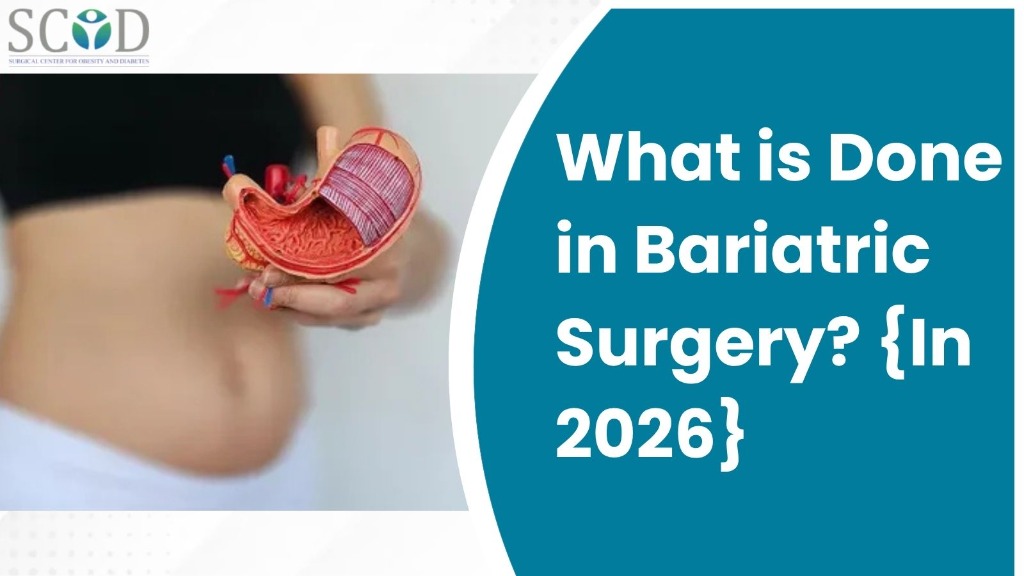
In bariatric surgery, a surgeon makes tiny 0.5 to 1 cm keyhole incisions to reshape the stomach and digestive tract using precision laparoscopic or robotic instruments under general anesthesia. Surgeons either remove roughly 80% of the stomach (sleeve gastrectomy) or create a small stomach pouch connected to the small intestine (gastric bypass). This restricts meal capacity, resets hunger hormones like ghrelin, and restores long-term metabolic health.
- 1. Understanding Bariatric Surgery
- 2. What Happens Before the Operation
- 3. Step-by-Step Breakdown Inside the Operating Theatre
- 4. Common Procedures: Sleeve Gastrectomy vs. Gastric Bypass vs. OAGB
- 5. How Hormones and Digestion Change
- 6. Surgical Safety and Advancements in 2026
- 7. Hospital Recovery and Immediate Post-Op Milestones
- 8. Phased Dietary Progression After Surgery
- 9. Why Specialized Surgical Experience Matters
- 10. Frequently Asked Questions (FAQs)
For individuals battling severe obesity and metabolic conditions, conventional diet plans and medications frequently reach a biological ceiling. When standard approaches fail to produce lasting weight relief, metabolic surgery stands out as the most reliable, evidence-based treatment. Yet, one question naturally arises before a consultation: What is done in bariatric surgery?
Rather than an invasive open operation requiring painful incisions and weeks of bed rest, modern bariatric care is a minimally invasive science. In 2026, operations rely on ultra-high-definition 4K optics, robotic assistance, smart tissue staplers, and advanced metabolic principles.
According to Dr. Arush Sabharwal, Chief Metabolic and Bariatric Surgeon at SCOD Clinic, understanding the surgical steps demystifies the experience, relieves apprehension, and prepares patients for lasting physical transformation.
Understanding Bariatric Surgery
While physical volume reduction is an important factor, clinical science confirms that bariatric surgery operates primarily as an endocrine and metabolic intervention.
The human digestive tract is the body’s largest hormone-producing organ. Every meal triggers chemical messengers that signal hunger, satiety, or fat storage. In individuals with chronic obesity, the hormonal set-point defends an elevated weight. Metabolic surgery resets this internal biological thermostat. By modifying the digestive tract, surgeons rewire the chemical signals connecting the stomach, intestines, liver, and brain to support lasting weight loss.
What Happens Before the Operation: The Pre-Surgical Preparation
The surgical procedure itself is one step within a structured clinical roadmap. Before entering the operating room, patients complete comprehensive evaluations to ensure complete clinical safety:
- Cardiopulmonary Clearance: Blood work, ECG, and imaging verify that the heart and lungs safely tolerate anesthesia.
- Endoscopic Assessment: An upper endoscopy checks the stomach lining and rules out hiatal hernias or active infections.
- Nutritional Profiling: Baseline checks of vitamin D, B12, iron, and blood glucose correct deficiencies before admission.
- Liver Shrinkage Diet: A 10 to 14 day high-protein, low-carb plan reduces liver volume for clear surgical visibility.
Step-by-Step Breakdown: Inside the Operation Theatre
Here is what takes place inside the operating suite during a modern bariatric procedure:
Step 1: General Anesthesia
The anesthesia team administers gentle intravenous medications and oxygen, allowing the patient to enter a restful sleep without discomfort. Continuous monitors track vital signs throughout the entire procedure.
Step 2: Keyhole Port Creation
The surgeon creates four or five tiny keyhole incisions, each measuring 5 to 12 millimeters. Carbon dioxide gas is gently introduced into the abdomen to expand the workspace and protect delicate tissues.
Step 3: High-Definition Visualization
A laparoscope with a 4K camera and cold light source is positioned through one of the ports. The surgical team views internal organs on high-resolution screens with ten-fold magnification.
Step 4: Remodeling the Stomach and Digestive Tract
Using specialized ultrasonic energy devices, the surgeon mobilizes the stomach. The planned remodeling is carried out using motorized surgical staplers that cut and seal tissues with microscopic precision.
Step 5: Intraoperative Leak Testing
Before finishing the procedure, the integrity of all connections is confirmed using an intraoperative air-leak test or blue dye test under sterile saline to verify that every staple line is airtight and watertight.
Step 6: Gas Release and Skin Closure
Instruments are removed, and carbon dioxide gas is thoroughly vented from the abdomen. The tiny skin incisions are closed using dissolvable sub-cuticular sutures and covered with water-resistant dressings.
Common Procedures: Sleeve Gastrectomy vs. Gastric Bypass vs. OAGB
Depending on an individual patient’s medical background, presence of acid reflux, and body mass index, the surgeon selects the most appropriate technique:
1. Laparoscopic Sleeve Gastrectomy (LSG)
The sleeve gastrectomy is the most popular metabolic surgery. Guided by a calibrated bougie tube, linear staplers permanently remove roughly 75% to 80% of the stomach, including the fundus that produces hunger hormones. The remaining stomach forms a slender tube holding 90 to 120 milliliters, while natural valves remain intact.
2. Roux-en-Y Gastric Bypass (RYGB)
The Roux-en-Y gastric bypass creates both restriction and calibrated nutrient redirection. The surgeon creates a small pouch holding 25 to 30 milliliters from the upper stomach. The small intestine is divided, and the lower limb connects directly to the new pouch so digestive juices meet food further downstream.
3. One Anastomosis Gastric Bypass (OAGB)
In One Anastomosis Gastric Bypass, the surgeon creates a narrow stomach pouch and connects it to a loop of small intestine in a single joint. This provides a shorter operative duration while delivering exceptional glycemic control for patients with type 2 diabetes.
| Surgical Aspect | Sleeve Gastrectomy | Roux-en-Y Gastric Bypass | One Anastomosis Bypass (OAGB) |
|---|---|---|---|
| Operative Mechanism | Restriction and hormonal reset | Restriction and calibrated malabsorption | Restriction and moderate malabsorption |
| Stomach Tissue Removal | Yes (80% excised) | No (remnant remains inside) | No (remnant remains inside) |
| Average Procedure Time | 40 to 60 minutes | 70 to 90 minutes | 50 to 75 minutes |
| Primary Candidates | Moderate to high BMI, active lifestyle | Severe GERD, advanced type 2 diabetes | High BMI, uncontrolled metabolic syndrome |
| Average Excess Weight Loss | 60% to 70% in 12-18 months | 70% to 80% in 12-18 months | 70% to 80% in 12-18 months |
The Biological Shift: How Hormones and Digestion Change
What happens physiologically following the operation explains why bariatric surgery produces long-term results that diet plans alone cannot achieve. For a closer look at these internal changes, explore our detailed article on the digestive system after surgery.
In sleeve gastrectomy, removing the gastric fundus eliminates the primary source of ghrelin, the hormone responsible for appetite stimulation. Patients wake from surgery experiencing a noticeable drop in mental cravings for food.
In gastric bypass operations, nutrients arrive in the small intestine much sooner. This rapid arrival triggers intestinal cells to release satiety hormones, including glucagon-like peptide-1 (GLP-1) and peptide YY (PYY), signaling fullness to the brain and stimulating the pancreas to produce healthy insulin.
This hormonal surge explains why metabolic surgery leads to reversing type 2 diabetes in up to 80% of eligible patients within days of surgery, well before significant weight is lost.
Surgical Safety and Technology Advancements in 2026
In 2026, engineering advances have made bariatric surgery one of the safest abdominal procedures, matching or exceeding routine gallbladder surgery in safety.
Smart Motorized Staplers
Microprocessors measure tissue thickness in real time, automatically adjusting compression pressure before firing titanium staples to ensure secure closure.
Robotic Precision
Robotic platforms with 3D stereoscopic vision and articulating wrists allow delicate tissue handling, lowering pain and speeding recovery.
Hospital Recovery and Immediate Post-Op Milestones
A structured post-operative protocol ensures steady progress:
Hour 0 to 4: Recovery Room Care
Patients wake under nursing supervision. Mild abdominal soreness or shoulder stiffness from residual gas is managed using proven techniques for relieving post-operative gas discomfort through gentle repositioning.
Hour 4 to 12: Early Walking
Patients take their first gentle walk within hours of surgery. Early ambulation improves blood circulation, prevents blood clots, and stimulates normal gut motility.
Day 1 to 2: Clear Sips and Discharge
Patients begin sipping water, clear broth, or herbal teas. Once vitals are stable and liquids are tolerated comfortably, patients are safely discharged within 24 to 48 hours.
Phased Dietary Progression After Surgery
Following surgery, your stomach needs time to heal along staple lines. A four-stage dietary progression protects your recovery while ensuring adequate nutrition:
- Stage 1 (Week 1): Clear liquids including water, clear broths, and herbal teas sipped slowly to stay hydrated.
- Stage 2 (Week 2): Full liquids and whey protein shakes to achieve 60 to 80 grams of daily protein and protect muscle mass.
- Stage 3 (Weeks 3 to 4): Pureed foods such as scrambled eggs, pureed lentils, cottage cheese, and soft mashed vegetables.
- Stage 4 (Month 2 Onwards): Balanced solid nutrition with lean proteins and tender vegetables in line with recommended bariatric diet recovery stages.
Adhering to these stages protects the stomach and keeps patients on track toward realistic weight loss milestones.
Why Specialized Surgical Experience Matters
While technology has made metabolic surgery safer than ever, the skill and anatomical precision of your surgical team remain vital for lifelong success. Creating a uniform gastric sleeve without narrowing or constructing a smooth intestinal connection requires extensive surgical expertise.
For patients seeking trusted Bariatric Surgery in Dlehi (Delhi), SCOD Clinic provides world-class clinical care. Led by Dr. Arush Sabharwal, our multidisciplinary team combines international laparoscopic and robotic standards with dedicated bariatric nutritionists and personalized post-surgical follow-up.
From pre-operative preparation through long-term weight maintenance, our comprehensive approach ensures your treatment journey is safe, structured, and successful.