What to Eat after Appendix Surgery?
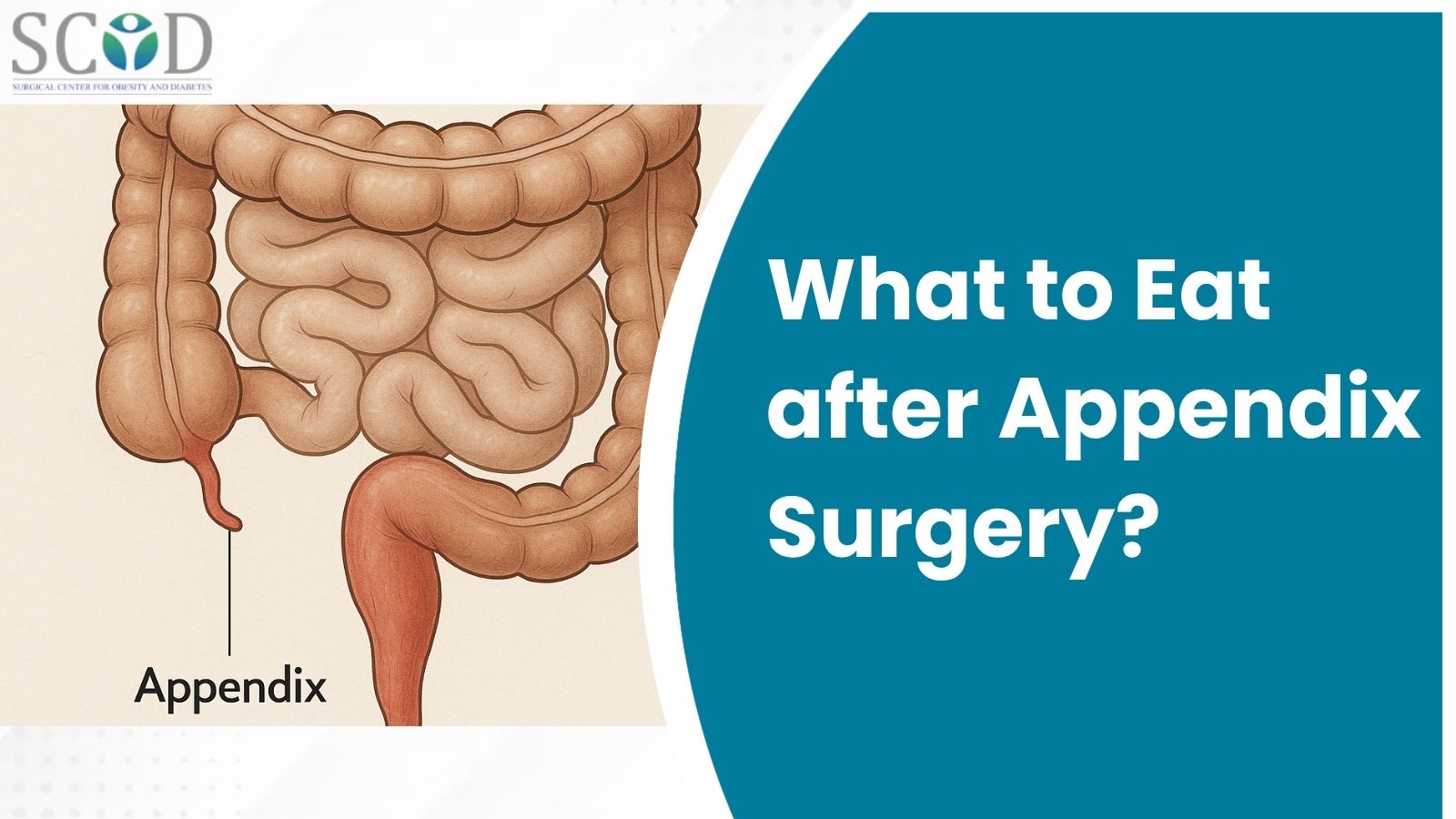
Quick Answer: What to Eat After Appendix Surgery
After appendix surgery, transition your diet through four progressive phases: begin with clear liquids (warm broth, electrolyte water, coconut water) during the first 24 hours, move to full liquids and smooth purees (thin moong dal khichdi, blended vegetable soups, fresh curd) on days 2–3, introduce soft solid foods (scrambled eggs, boiled potatoes, soft rice, stewed fruits) on days 4–7, and return to a balanced regular diet by week 2. Avoid deep-fried, heavily spiced foods, and fizzy drinks to prevent painful gas, bloating, and digestive strain.
Introduction: Why Nutrition Matters After Appendix Surgery
Undergoing an operation for acute appendicitis — the surgical removal of an infected appendix, known clinically as an appendectomy — is often sudden and unexpected. Once your inflamed appendix is removed and you begin recovery, a practical question immediately arises: What to eat after appendix surgery?
Many patients mistakenly assume that because an appendectomy is a common procedure, they can return to their favorite foods right away. In reality, your digestive system has just been through significant trauma. Between the effects of general anesthesia, antibiotics, abdominal manipulation, and surgical incisions, your gut requires gentle care and specific healing nutrients to recover smoothly.
Under the clinical guidance of Dr. Arush Sabharwal at SCOD Clinic, patients receiving advanced Laparoscopic Appendix Surgery in Delhi receive individualized post-operative dietary protocols. A well-planned recovery diet accelerates wound healing, prevents uncomfortable gas and bloating, restores normal bowel motility, and helps you regain strength. In this doctor-reviewed guide, we outline the best foods to eat, items to avoid, a 3-day recovery meal plan, and answers to common questions.
How Appendix Surgery Affects Your Digestion
To understand why a progressive recovery diet is necessary, consider how surgery temporarily alters normal digestive function:
- Sluggish Bowel Motility (Temporary Ileus): General anesthesia and pain relievers temporarily slow intestinal contractions. Peristalsis requires 24 to 48 hours to fully restart. Eating solid food too early can cause nausea, cramps, and vomiting.
- Trapped Laparoscopic Carbon Dioxide Gas: During keyhole appendectomy, CO2 gas is introduced to expand the surgical view. Residual gas irritates the diaphragm and abdominal lining. Consuming gas-producing foods adds intestinal bloating on top of surgical gas. Learn more in our guide on how to get rid of CO2 after laparoscopic surgery.
- Medication-Induced Constipation: Post-operative pain medications and reduced physical activity slow bowel transit. Straining during bowel movements puts undesirable pressure on internal sutures.
- Disrupted Gut Microbiome: Perioperative antibiotics eliminate harmful bacteria but also reduce beneficial gut flora, making digestion sensitive.
Curious about the surgical procedure? Read our guides on how long laparoscopic appendectomy surgery takes and what is the normal size of the appendix.
The 4-Phase Recovery Diet Timeline
A smooth post-appendectomy recovery relies on progressing steadily through four distinct dietary stages. Always advance to the next stage only when you can tolerate current foods comfortably without nausea.
1 Phase 1: Day 1 (0 to 24 Hours) – Clear Liquids & Gut Rest
In the first 24 hours, your gut recovers from anesthesia. Once your care team confirms bowel sounds and you pass flatus, take small sips of clear fluids to restore hydration.
2 Phase 2: Days 2 to 3 – Full Liquids & Smooth Purees
Once liquids are tolerated, transition to smooth purees and light semi-solids that provide clean energy and protein without burdening digestion.
3 Phase 3: Days 4 to 7 – Soft Solids & Lean Protein
As your appetite normalizes, add soft solid foods. Lean protein is critical at this stage to build collagen and repair surgical tissue.
4 Phase 4: Week 2 Onward – Balanced Long-Term Diet
By the second week, most patients feel much stronger. Gradually reintroduce whole grains, tender cooked vegetables, pulses, and lean meats into regular family meals. Drink at least 2.5 liters of water daily to maintain comfortable bowel habits. For general keyhole surgery dietary guidelines, see our article on what to eat after laparoscopic surgery.
Sample 3-Day Recovery Meal Plan
Here is an easy-to-follow meal plan designed for days 3 through 7 after an appendectomy:
Day 3 (Transition to Semi-Solids)
Breakfast: Warm oatmeal with applesauce. Mid-Morning: Coconut water or plain curd. Lunch: Soft moong dal khichdi with plain yogurt. Evening: Strained carrot-lauki soup with 1 slice white toast. Dinner: Light pumpkin soup with mashed boiled potatoes and soft scrambled egg whites or tofu.
Day 4 – 5 (Soft Protein & Gentle Fiber)
Breakfast: 2 steamed idlis with mild mint dip or scrambled eggs with toast. Mid-Morning: Ripe sliced papaya. Lunch: White rice with yellow moong dal and steamed zucchini. Evening: Warm chamomile tea with 2 Marie biscuits. Dinner: Shredded boiled chicken or soft paneer cubes in clear vegetable broth with rice.
Day 6 – 7 (Progressing Towards Regular Meals)
Breakfast: Suji upma or soft poha with cooked carrots. Mid-Morning: Strained sweet lime juice or a ripe banana. Lunch: Soft roti dipped in dal, steamed potato curry, and curd. Evening: Roasted makhana or fresh buttermilk. Dinner: Steamed fish fillet or soft lentil stew with boiled rice and green beans.
Essential Healing Nutrients for Rapid Recovery
Specific nutrients accelerate tissue repair, support immune defenses, and prevent post-operative complications:
High-Quality Protein
Supplies amino acids for collagen formation and tissue rebuilding. Focus on eggs, paneer, soft chicken, fish, tofu, and yellow lentils.
Vitamin C & Zinc
Vitamin C supports collagen synthesis and zinc drives cellular wound healing. Found in papaya, amla, stewed berries, and soaked lentils.
Gentle Soluble Fiber
Absorbs water to create soft, formed stools, preventing surgical straining. Excellent choices include oats, stewed apples, and ripe bananas.
Natural Probiotics
Restores gut flora depleted by antibiotics, preventing post-op indigestion. Use fresh curd (dahi) and buttermilk (chaas).
Foods to Avoid After Appendix Surgery
Avoiding problematic foods during the first 2 to 3 weeks prevents severe cramps, gas, and digestive discomfort:
- Deep-Fried & Fatty Foods: Samosas, pakoras, French fries, and oily curries slow digestion and trigger nausea.
- Spicy Foods & Chilies: Hot spices irritate sensitive stomach linings and can cause heartburn and cramps.
- Gas-Forming Vegetables: Cabbage, cauliflower, broccoli, raw onions, radishes, and kidney beans cause severe bloating.
- Carbonated Beverages: Sodas and fizzy drinks introduce swallowed gas, worsening abdominal fullness.
- Tough Red Meat: Mutton and processed meats take long to digest and aggravate constipation.
- Alcohol & Heavy Caffeine: Alcohol interferes with medications and slows wound healing, while excess coffee causes dehydration.
Quick Reference: Safe Foods vs. Foods to Avoid
Use this quick reference table to guide your grocery shopping and meal preparation:
| Food Group | Recommended & Safe Foods | Foods to Avoid |
|---|---|---|
| Grains | White rice, moong khichdi, oats, suji, soft idli, plain bread | Oily parathas, fried pooris, instant noodles, heavy multigrain bread |
| Proteins | Scrambled eggs, soft paneer, yellow dal, boiled chicken, fish | Spicy mutton, fried chicken, rajma, chana, processed meats |
| Vegetables | Lauki, pumpkin, boiled potatoes, carrots, zucchini | Cauliflower, cabbage, broccoli, raw onions, radishes |
| Fruits | Ripe bananas, papaya, stewed apples, coconut water | Unripe fruits, raw seeded berries, excess sour citrus |
| Dairy | Probiotic curd (dahi), fresh buttermilk, soft paneer | Full-cream milk, heavy cheeses, rich creamy gravies |
| Beverages | Warm water, ORS, chamomile and peppermint tea | Carbonated sodas, alcohol, beer, strong espresso |
Practical Eating Habits for Smooth Digestion
1. Eat 5 to 6 Small Meals
Smaller portions prevent stomach distension and provide steady post-op energy.
2. Chew Thoroughly
Chewing food to a fine paste reduces workload on your gut and minimizes swallowed air.
3. Stay Upright After Eating
Avoid lying down immediately after meals. Sit upright or take a light 5-minute stroll.
4. Sip Fluids Between Meals
Drink water between meals rather than gulping liquids during food to preserve digestive enzymes.
Frequently Asked Questions (FAQs)
1. What is the very first food I can eat after appendix surgery?
Clear liquids such as warm water, vegetable or chicken broth, ORS, and tender coconut water. Start only after your surgical team confirms bowel sounds.
2. How soon after appendix surgery can I eat solid foods?
Most patients recovering from Laparoscopic Appendix Surgery in Delhi begin soft solids (khichdi, eggs, boiled potatoes) by days 3 to 5, and resume regular meals around day 7 to 10.
3. Why do I feel constipated after an appendectomy, and how can diet help?
Constipation is caused by anesthesia and painkillers. Relieve it naturally with 2.5 to 3 liters of fluids daily, soluble fiber like oats and ripe papaya, and light walking.
4. Can I drink milk or consume dairy products after appendix surgery?
Avoid whole milk and cheese for 3 to 5 days to prevent bloating. Fresh probiotic curd (dahi) and buttermilk are soothing and replenish beneficial gut bacteria.
5. What foods help surgical incisions and internal tissues heal faster?
Lean protein (eggs, paneer, lentils, chicken), vitamin C (papaya, amla) for collagen synthesis, and zinc for cellular regeneration accelerate tissue repair.
6. Can I eat eggs and chicken after appendix surgery?
Yes. Soft scrambled eggs are safe by day 3, and shredded boiled chicken in clear broth by day 5. Avoid fried or spicy preparations.
7. How long should I avoid spicy and oily food after appendix surgery?
Avoid spicy and deep-fried foods for at least 2 to 3 weeks to prevent stomach irritation, acid reflux, and cramps.
8. When should I call my doctor if I experience digestive issues after surgery?
Contact your doctor immediately if you have persistent vomiting, severe worsening pain, fever over 101°F, or no bowel movement or gas for over 3 days.
Final Thoughts
Recovering smoothly from appendix surgery requires patience, progressive nutrition, and adequate physical rest. By moving carefully through clear liquids, purees, soft foods, and a wholesome regular diet, you support your body’s internal healing while safeguarding against uncomfortable digestive complications.
At SCOD Clinic in Delhi, under the clinical leadership of Dr. Arush Sabharwal, our surgical team prioritizes comprehensive post-operative care and dietary counseling. If you are recovering from surgery or considering Laparoscopic Appendix Surgery in Delhi, contact our team today for dedicated medical care.