How to Sleep after Gallbladder Surgery?
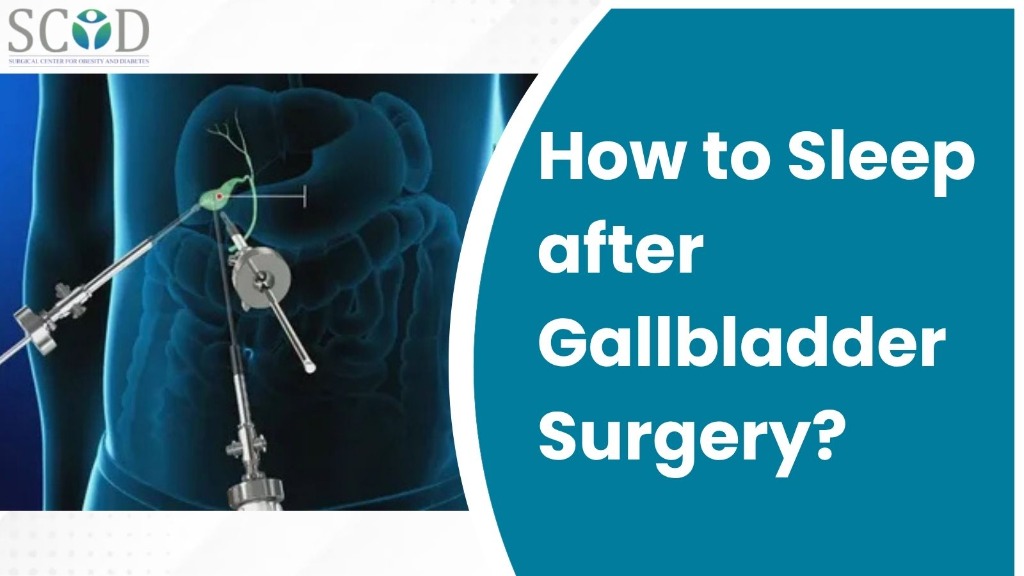
Quick Answer: Best Way to Sleep After Gallbladder Surgery
The best sleeping position after gallbladder surgery is lying on your back with your upper torso elevated at a 30 to 45 degree angle using a wedge pillow or recliner, paired with a supportive pillow under your knees. Avoid stomach sleeping entirely for 4 to 6 weeks. Left-side sleeping can safely resume after 7 to 10 days, while sleeping on right side after gallbladder surgery should be delayed for 2 to 3 weeks to prevent pressure on healing surgical clips, the liver bed, and right-sided port-site incisions.
Introduction
Undergoing surgical gallbladder removal—known medically as a Cholecystectomy—is the definitive treatment for symptomatic gallstones, acute cholecystitis, and chronic biliary colic. Thanks to modern minimally invasive surgical advancements guided by Dr. Arush Sabharwal, patients receiving Laparoscopic Gallbladder Surgery in Delhi experience significantly smaller surgical wounds, reduced post-operative discomfort, and faster recovery times compared to traditional open abdominal procedures.
However, returning home after surgery brings immediate practical challenges, especially when it comes to getting a restful night's sleep. High-quality restorative sleep is essential for accelerating cellular repair, lowering systemic inflammation, and supporting your immune system. Yet, incision tenderness, abdominal gas bloat, and core muscle tightness can make lying flat in bed feel daunting or painful.
If you are searching for practical, expert advice on how to sleep after gallbladder surgery without straining your healing incisions or waking up in distress, this comprehensive medical guide outlines doctor-approved sleeping positions, recovery timelines, pillow setup techniques, and essential night-time precautions.
Why Sleep is Challenging After Gallbladder Removal
Post-surgical sleep discomfort stems from abdominal muscle tenderness, tissue healing at the liver bed, keyhole incisions, and diaphragm irritation caused by residual carbon dioxide gas.
To understand why finding a comfortable sleeping posture requires careful planning, it helps to examine what occurs within your abdominal cavity during keyhole gallbladder removal:
- Incision and Muscle Sensitivity: Laparoscopic surgery involves creating 3 to 4 small trocar incisions across the upper abdomen. Although small, these ports pass through cutaneous skin, fascial layers, and abdominal wall muscles. Twisting or pulling during sleep puts direct mechanical tension on these sutured sites.
- Internal Liver Bed Healing: The gallbladder rests in a small depression under the right lobe of the liver. After its detachment, the raw liver bed needs time to form stable scar tissue. Direct weight or mechanical torque can cause localized aching.
- Trapped Laparoscopic Gas (CO2): During surgery, carbon dioxide gas is injected to expand the abdominal cavity. Small amounts of residual gas can irritate the phrenic nerve near the diaphragm, causing referred right shoulder pain that worsens when lying completely flat.
- Anesthesia Side Effects: General anesthesia temporarily disrupts your natural sleep-wake cycle, leading to light or fragmented sleep during the first few nights at home.
What is the Best Sleeping Position After Gallbladder Surgery?
The single best sleeping position after gallbladder surgery is back sleeping with upper torso elevation (30–45 degrees) paired with a supportive pillow under your knees.
Selecting proper anatomical alignment maintains a neutral spinal column and minimizes intra-abdominal pressure. Below is a detailed evaluation of safe sleeping postures:
1. Elevated Back Sleeping (The Gold Standard)
Sleeping on your back with your head, neck, and upper chest propped up at a 30 to 45-degree angle is universally recognized as the best way to sleep after gallbladder surgery.
Propping up your upper torso using a medical foam wedge pillow or a power recliner chair delivers several key clinical benefits:
- Relieves Core Tension: Elevating your upper body relaxes the rectus abdominis muscles, removing pulling forces from port-site sutures.
- Eases Shoulder Gas Pain: Gravity encourages trapped carbon dioxide gas to move downward away from your diaphragm, reducing referred shoulder discomfort.
- Prevents Gastroesophageal Reflux: Keeping your head raised prevents stomach acid from flowing upward, reducing post-surgical heartburn or nausea.
- Promotes Deep Breathing: Upper torso elevation optimizes lung expansion, supporting oxygenation and preventing shallow breathing.
2. Left Side Sleeping (With Pillow Support)
If you are a habituated side sleeper who finds back sleeping difficult, lying on your left side is the safest secondary option once initial acute soreness subsides after the first week.
Lying on your left side keeps the right upper quadrant of your abdomen (where the gallbladder was located) elevated in the air, preventing mattress pressure against healing tissues:
- Place a firm pillow between your knees and ankles to keep your hips, pelvis, and spine neutrally aligned.
- Place a small, soft pillow against your stomach to support your abdominal wall and cushion against involuntary movement.
Sleeping Positions to Avoid During Early Recovery
Avoid stomach sleeping for 4 to 6 weeks and refrain from sleeping on right side after gallbladder surgery for 2 to 3 weeks to protect healing deep fascial layers.
Stomach Sleeping (Prone Position)
Stomach sleeping compresses the entire anterior abdominal wall under your body weight. This applies heavy direct force against keyhole incisions and deep muscular closures, elevating pain levels and increasing the risk of wound irritation or hernia formation.
Right Side Sleeping (Premature)
Sleeping on right side after gallbladder surgery places direct gravitational weight on the exact surgical area where the gallbladder was excised, compressing the liver bed and right-sided port-site incisions.
Timeline: When Can I Sleep on My Side After Gallbladder Surgery?
Patients frequently ask when can i sleep on my side after gallbladder surgery: left-side sleeping is typically safe after 7 to 10 days, right-side sleeping after 2 to 3 weeks, and stomach sleeping after 4 to 6 weeks.
Surgical wound healing progresses through continuous structural stages. The comparison table below outlines recommended sleep positions across your post-operative recovery timeline:
| Recovery Phase | Recommended Sleep Position | Safety Status | Key Recovery Goal |
|---|---|---|---|
| Days 1 to 5 (Early Post-Op) | Elevated Back (30°–45°) or Recliner | Best Choice | Relieving abdominal wall strain and expelling CO2 gas. |
| Days 6 to 10 (Mid Recovery) | Elevated Back or Left Side (with knee pillow) | Safe with Pillows | Incision sealing, reduction in acute shoulder pain. |
| Weeks 2 to 3 (Late Stage) | Left Side or Right Side (gradual introduction) | Permissible | Liver bed tissue healing, surgical clips fully stable. |
| Weeks 4 to 6+ (Full Recovery) | Flat Back, Both Sides, Stomach Sleeping | Fully Unrestricted | Complete abdominal wall strength restoration. |
Practical Tips for a Pain-Free Night's Sleep
Utilizing strategic pillow arrangements, executing the log-rolling technique, timing pain medications, and optimizing your bedroom setup promote comfortable sleep.
Implementing structured bedtime habits helps reduce physical discomfort and improves sleep duration throughout recovery:
1. Strategic Pillow Placement
Pillows play a crucial role when configuring how to sleep after gallbladder surgery:
- Wedge Support Pillow: Maintains your head and chest at an elevated 30 to 45-degree angle.
- Under-Knee Support: Placed under knees to relieve pressure on the lower back and core muscles.
- Abdominal Cushion: A small pillow hugged gently against the abdomen to brace during coughing or turning.
2. Master the Log-Rolling Technique
Sitting straight up uses your abdominal muscles directly, which can cause sharp incision pain. Instead, practice the log-roll technique:
- Sit down gently on the edge of your mattress.
- Lower your torso onto your left side while swinging your legs up together onto the bed.
- Roll smoothly onto your back using arm strength rather than twisting your core.
- Reverse these exact steps when exiting bed to avoid pulling on healing incisions.
3. Time Medications and Evening Movement
Take your prescribed post-operative pain relief 30 to 45 minutes before going to sleep so peak pain relief coincides with bedtime. Engaging in a gentle 5 to 10-minute walk around your room an hour before bed stimulates circulation and helps your body absorb trapped laparoscopic gas, reducing night-time shoulder aches.
4. Optimize Your Sleep Environment
Keep your bedroom cool, quiet, and dark. Wear loose, breathable cotton clothing that does not feature tight elastic bands pressing across your upper stomach. Placing water and your phone within easy reach avoids unnecessary bending or stretching during the night.
When to Contact Your Surgeon
Severe night-time pain, fever, incision redness, unusual discharge, or shortness of breath require immediate medical evaluation.
While mild soreness is expected during early healing, contact your surgical team promptly if you experience red flag symptoms:
- Severe, unrelenting abdominal pain not relieved by prescribed pain medication.
- Fever exceeding 100.4°F (38°C) or shaking chills.
- Spreading redness, warmth, swelling, or foul-smelling drainage at incision sites.
- Persistent nausea, vomiting, or inability to tolerate fluids.
- Sudden chest pain or difficulty breathing.
Patients treated by Dr. Arush Sabharwal at SCOD Clinic receive continuous post-operative monitoring following Laparoscopic Gallbladder Surgery in Delhi, ensuring a safe and smooth recovery.
Frequently Asked Questions (FAQs)
What is the best sleeping position after gallbladder surgery?
The best sleeping position after gallbladder surgery is lying flat on your back with your head, chest, and upper torso elevated at a 30 to 45 degree angle using a wedge pillow, with a supportive pillow placed beneath your knees to relieve abdominal wall tension.
When can I sleep on my side after gallbladder surgery?
Most patients can safely begin sleeping on their left side after 7 to 10 days post-surgery using supportive pillows between the knees. Sleeping on the right side should be delayed for 2 to 3 weeks until internal liver bed tissues fully heal.
Why is sleeping on right side after gallbladder surgery uncomfortable?
Sleeping on your right side places direct weight and mechanical pressure onto the liver bed, surgical clips, and right-sided trocar incisions, triggering sharp localized abdominal pain during early recovery.
When can I sleep on my stomach after gallbladder surgery?
You should avoid stomach sleeping (prone position) for at least 4 to 6 weeks after gallbladder removal to prevent direct compression of keyhole incisions and deep abdominal muscle layers.
How can I relieve shoulder pain while sleeping after laparoscopic gallbladder surgery?
Post-laparoscopic shoulder pain is caused by residual carbon dioxide (CO2) gas. Elevating your torso while sleeping, applying warm compresses, walking gently during the day, and staying hydrated help absorb and exhale trapped gas.
How many pillows should I use to sleep comfortably after gallbladder removal?
Using 3 to 4 pillows is recommended: a wedge pillow or 2 firm pillows to prop up your head and chest, one pillow placed beneath your knees to relax your core, and an abdominal cushion for bracing.
Is it safe to take sleep medication after gallbladder surgery?
Always consult your surgeon before taking sleep aids post-surgery. Combining prescription pain medications with over-the-counter sleep aids can cause excessive sedation or respiratory risk.
How do I safely get out of bed without hurting my incisions?
Use the log-rolling technique: bend your knees, roll onto your left side without twisting your torso, push your upper body up with your arms while swinging your legs off the bed, and hug a small pillow against your abdomen.
Seeking Expert Gallbladder Surgical Care in Delhi?
Consult with Dr. Arush Sabharwal at SCOD Clinic for advanced minimally invasive laparoscopic gallbladder surgery and post-operative recovery support.