Are Weight Loss Injections Safe? {Complete Guide}
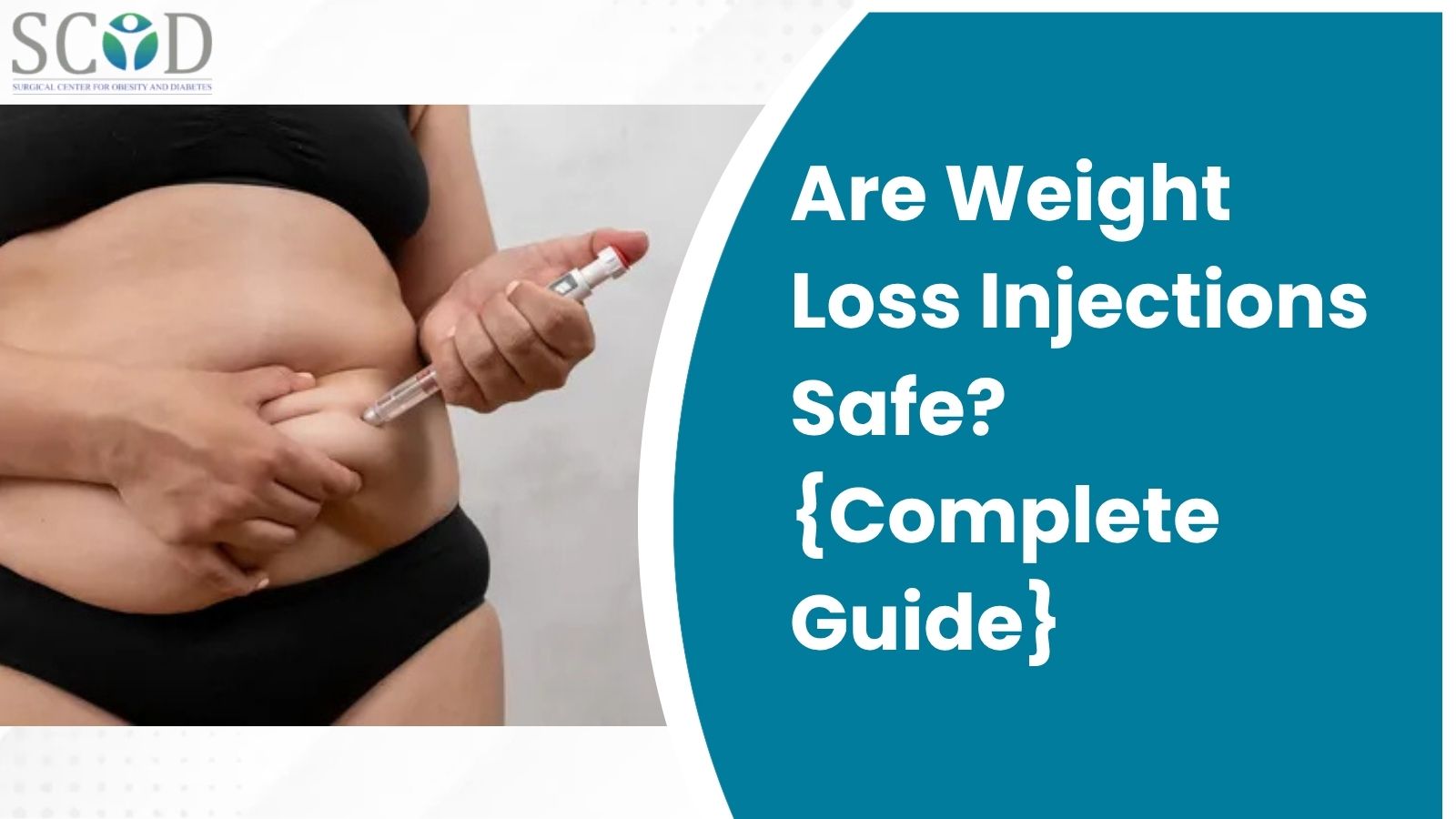
Weight loss injections have become increasingly popular in recent years, especially among people struggling with obesity or those who have not achieved results with diet and exercise alone. These medications are typically administered via weekly or monthly injections and work by suppressing appetite, reducing cravings, or affecting how the body processes food.
How Do Weight Loss Injections Work?
Weight loss injections work in different ways depending on the type of medication. Some of the most common mechanisms include:
- Appetite Suppression: Some injections help you feel fuller faster, reducing the amount of food you eat.
- Slower Digestion: Many weight loss medications slow down the digestive process, helping you feel satisfied longer.
- Blood Sugar Control: Some injections help regulate blood sugar levels, which can reduce cravings.
- Metabolism Boost: Certain medications can help boost your metabolism.
Are Weight Loss Injections Safe?
The safety of weight loss injections depends on several factors, including the type of medication, your overall health, and whether they are prescribed by a qualified healthcare provider. The FDA has approved several weight loss injections for use under medical supervision.
However, these medications can have side effects, and they may not be suitable for everyone. Some commonly prescribed weight loss injections belong to a group called GLP-1 receptor agonists, which are also used to treat diabetes.
Common Types of Weight Loss Injections
- Semaglutide (Wegovy, Ozempic): A weekly injection that helps with weight loss by mimicking a hormone that regulates appetite.
- Tirzepatide (Zepbound, Mounjaro): A dual-action medication that helps with weight loss and blood sugar control.
- Liraglutide (Saxenda): A daily injection that helps you feel fuller faster.
- Contrave: A combination medication that works on the brain to reduce appetite.
Benefits of Weight Loss Injections
- Clinically proven to help with weight loss
- Can improve overall health markers
- May help reduce obesity-related health risks
Potential Side Effects
Like all medications, weight loss injections can have side effects. Common side effects include:
- Nausea and vomiting
- Diarrhea or constipation
- Stomach pain or discomfort
- Headaches
- Fatigue
More serious side effects are rare but can occur. It's important to discuss any concerns with your healthcare provider before starting treatment.
Who Should Consider Weight Loss Injections?
Weight loss injections may be a good option for adults who:
- Have a BMI of 30 or higher (obesity)
- Have a BMI of 27 or higher with at least one weight-related health condition
- Have not achieved significant weight loss through diet and exercise alone
- Are committed to making lifestyle changes alongside medication
Important Considerations
Before starting weight loss injections, consider the following:
- Always use under medical supervision
- Combine with a healthy diet and exercise plan
- Discuss all current medications with your doctor
- Be aware of potential interactions
- Understand that these are long-term treatments
Consult an Expert
This is why consulting an expert like a Weight Loss Doctor in Delhi is very important before starting treatment.
Book a ConsultationFrequently Asked Questions
How long does it take to see results?
Results vary, but most people start seeing weight loss within 4-12 weeks of starting treatment.
Do I need to follow a diet while using weight loss injections?
Yes, these medications work best when combined with a healthy diet and regular exercise.
Are weight loss injections permanent?
No, these are typically long-term treatments. Stopping the medication may result in regaining weight.
Can anyone use weight loss injections?
No, they are prescription-only and not suitable for everyone. A healthcare provider must evaluate if they're right for you.