How Do You Lose Weight After Bariatric Surgery?
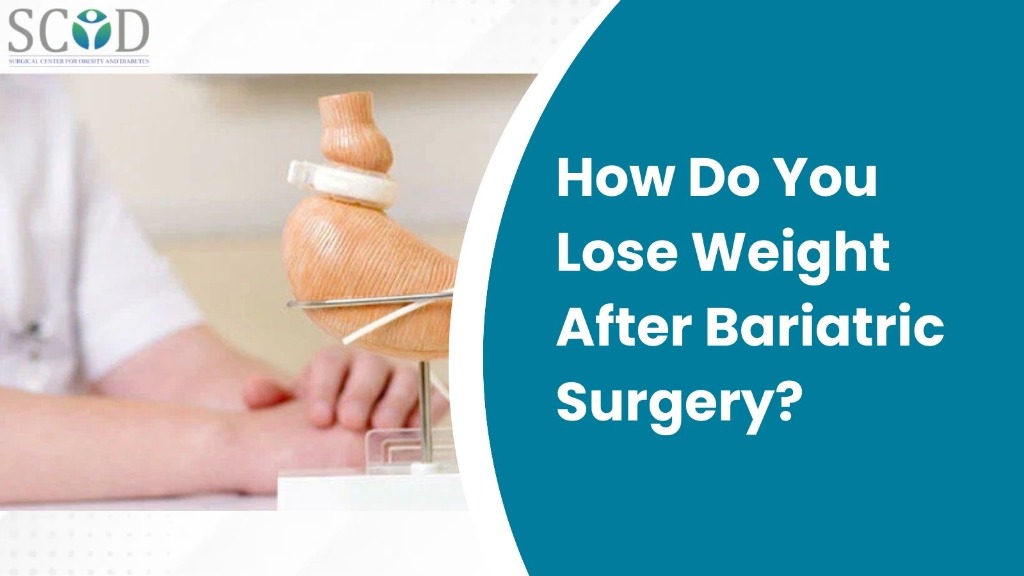
Bariatric surgery is not just about reducing the size of your stomach. It is a powerful medical tool designed to help people who struggle with severe obesity regain control of their health. Many patients ask, how do you lose weight after bariatric surgery? The answer involves a combination of surgical changes, lifestyle modifications, diet control, physical activity, and long-term follow-up care.
Procedures performed by an experienced specialist, such as a Best Bariatric Surgeon in Delhi like Dr. Arush Sabharwal, focus not only on helping patients lose weight but also on improving overall health conditions such as diabetes, high blood pressure, sleep apnea, and joint pain.
Let us understand in simple language how weight loss happens after surgery and what you must do to ensure long-term success.
How Do You Lose Weight After Bariatric Surgery?
Learn how you lose weight after bariatric surgery through diet control, protein intake, exercise, and lifestyle changes for safe, steady, and long-term results.
Book Your Appointment TodayUnderstanding Bariatric Surgery
Bariatric surgery is a medical procedure designed to help people with severe obesity lose weight when diet and exercise alone are not enough. It is not a cosmetic surgery, but a metabolic treatment that helps improve overall health. The goal of bariatric surgery is to reduce excess body weight and lower the risk of obesity-related conditions such as type 2 diabetes, high blood pressure, sleep apnea, and joint pain.
Bariatric surgery is usually recommended for individuals who have a Body Mass Index (BMI) of 40 or above, or 35 and above with serious health conditions linked to obesity. It is considered after other weight-loss methods have not provided long-term success. Proper medical evaluation and counseling are important before deciding on surgery.
Common Types of Bariatric Surgery
- Sleeve Gastrectomy – A large portion of the stomach is removed, leaving a small tube-shaped stomach.
- Gastric Bypass (Roux-en-Y) – A small stomach pouch is created and connected directly to the small intestine.
- Mini Gastric Bypass – A simpler version of traditional gastric bypass.
- Revisional Bariatric Surgery – Performed when previous weight-loss surgery needs correction or improvement.
How Bariatric Surgery Can Overcome Obesity

Many people struggle with obesity due to hormonal imbalance, metabolism problems, and unhealthy eating patterns. Dieting alone often fails because the body resists weight loss.
Here is how bariatric surgery can overcome obesity:
1. Reduced Hunger Hormones
After sleeve surgery, the part of the stomach that produces the hunger hormone (ghrelin) is removed. This reduces appetite significantly.
2. Smaller Food Portions
You can only eat small quantities of food at one time.
3. Improved Metabolism
Surgery resets certain metabolic pathways, helping the body burn fat more effectively.
4. Better Control of Diabetes
Many patients see immediate improvement in blood sugar levels.
So yes, can you lose weight after bariatric surgery? Absolutely. Most patients lose 60–80% of excess weight within 12–18 months.
How Do You Lose Weight After Bariatric Surgery?
Weight loss after bariatric surgery happens in a structured and gradual manner. The surgery reduces stomach size and changes hunger hormones, but long-term success depends on following a proper diet, physical activity, and lifestyle changes. If you are wondering how to lose weight after bariatric surgery, the journey usually progresses through three important stages.
Stage 1: Early Recovery Phase (First 2–4 Weeks)
In the initial stage, your body is healing from surgery. Food intake is very limited, and weight loss is rapid because calorie consumption is low. The focus is on hydration, protein intake, and gentle movement.
Key Points during this stage:- Follow a liquid diet (clear liquids → protein shakes → blended soups)
- Take small sips throughout the day
- Aim for high-protein intake to protect muscles
- Walk for 5–10 minutes several times daily
- Avoid sugar, caffeine, and carbonated drinks
This stage kickstarts losing weight after bariatric surgery as your body begins adapting to the smaller stomach size.
Stage 2: Controlled Nutrition Phase (1–3 Months)
As healing improves, you gradually move to soft and then semi-solid foods. Weight loss continues steadily. Learning portion control becomes very important at this stage.
During this period, patients start understanding how bariatric surgery can overcome obesity by controlling hunger and improving metabolism.
Focus areas in this stage:- Eat small, protein-rich meals (eggs, paneer, lean meat, lentils)
- Chew food slowly and stop when full
- Avoid snacking between meals
- Drink water between meals, not during meals
- Begin light exercise, such as brisk walking or stretching
This phase builds healthy habits that support consistent fat loss.
Stage 3: Long-Term Lifestyle Phase (After 3 Months)
By this stage, patients transition to regular solid food in small portions. Weight loss becomes slower but more sustainable. Exercise and behavior control become essential for maintaining results.
Many patients ask, can you lose weight after bariatric surgery long-term? The answer is yes—if lifestyle changes are maintained.
Long-term success depends on:- Eating balanced meals with high protein and low sugar
- Practicing portion control permanently
- Strength training to preserve muscle mass
- Avoiding emotional eating
- Taking prescribed vitamins and mineral supplements
- Attending regular follow-up appointments
This stage ensures that weight loss continues safely and helps prevent regain.
Importance of Protein in Weight Loss
Protein plays a central role in successful weight loss after bariatric surgery. Because your stomach size is smaller, you are eating much less food than before. This means every bite must be nutritionally valuable. Protein becomes the most important nutrient in your daily diet.
After surgery, the body loses both fat and muscle. If protein intake is low, muscle loss increases, which can slow down metabolism and make you feel weak. Adequate protein helps preserve lean muscle mass while the body burns stored fat for energy. Maintaining muscle is important because muscle tissue helps your body burn more calories even at rest.
Why Protein Is Essential After Bariatric Surgery
- Helps maintain muscle mass during rapid weight loss
- Prevents weakness and fatigue
- Reduces hair thinning that can occur after surgery
- Supports wound healing and recovery
- Improves metabolism
- Keeps you feeling satisfied for longer
Mental and Emotional Changes
Bariatric surgery does not only change your body — it also brings significant mental and emotional adjustments. While many patients feel happy and motivated as they begin losing weight, it is common to experience mixed emotions during the journey. Rapid physical changes, hormonal shifts, and lifestyle adjustments can all affect mood and behavior.
In the first few months, some people feel emotional ups and downs. This happens because the body is adapting to new eating patterns, reduced calorie intake, and changes in hormones. Food may have been a source of comfort in the past, and suddenly that coping mechanism is limited. Learning new ways to manage stress becomes very important.
Common Emotional Experiences After Surgery

- Mood swings due to hormonal changes
- Frustration during weight-loss plateaus
- Anxiety about body image or loose skin
- Emotional eating urges
- Increased sensitivity or irritability
- Fear of regaining weight
Why Some People Regain Weight
Sometimes patients regain weight due to:
- Frequent snacking
- Sugary beverages
- Lack of exercise
- Emotional eating
- Skipping follow-ups
Bariatric surgery is a tool, not a magic cure.
Long-Term Success Tips
To maintain results:
- Follow the diet plan strictly
- Take vitamin supplements
- Attend regular follow-ups
- Avoid junk food
- Stay physically active
- Monitor weight monthly
A specialist like Dr. Arush Sabharwal guides patients throughout their transformation journey, ensuring safe and sustainable results.
Common Myths About Weight Loss After Surgery
Myth 1: Surgery alone makes you thin
Truth: Lifestyle changes are essential.
Myth 2: You can eat anything later
Truth: Unhealthy eating leads to weight regain.
Myth 3: It is cosmetic surgery
Truth: It is a metabolic and life-saving treatment.
How Do You Lose Weight After Bariatric Surgery?
Learn how you lose weight after bariatric surgery through diet control, protein intake, exercise, and lifestyle changes for safe, steady, and long-term results.
Book Your Appointment TodayFinal Thoughts
If you are wondering how to lose weight after bariatric surgery, remember that surgery is just the beginning. It gives your body a powerful reset, but your commitment determines the outcome.
With proper guidance from an experienced specialist like a Best Bariatric Surgeon in Delhi, and continuous support from Dr. Arush Sabharwal, patients can achieve dramatic weight loss and long-lasting health improvements.
Bariatric surgery is not about looking slim—it is about living longer, healthier, and more confidently.
Frequently Asked Questions
How do you lose weight after bariatric surgery?
Weight loss happens because the stomach size is reduced, appetite decreases, and calorie absorption lowers. Following a proper diet and exercise plan ensures steady results.Can you lose weight after bariatric surgery without exercise?
Yes, especially in the first few months. However, exercise is important for long-term maintenance.How can bariatric surgery overcome obesity?
It works by controlling hunger hormones, reducing stomach capacity, and improving metabolism, making sustainable weight loss possible.What if weight loss stops?
Plateaus are normal. Adjusting diet and increasing activity usually helps restart progress.Is weight regain possible?
Yes, if healthy habits are not maintained. Previous: Are Weight Loss Injections Safe? {Complete Guide} Next: Is Ozempic Used for Weight Loss? {Key Insights}© 2026 Scod Clinic — All rights reserved