Can a Person Drink Alcohol after Bariatric Surgery?
Undergoing weight loss surgery is a monumental step toward achieving long-term health and reclaiming metabolic vitality. It is a transition that alters not only your weight but also your digestive anatomy, hormone levels, and lifestyle habits. As patients adapt to their new bodies, questions about social activities naturally arise. One of the most common and crucial queries is: can a person drink alcohol after bariatric surgery?
The short answer is yes, but with extreme caution, absolute compliance with timing rules, and an understanding that your body will process alcohol in a fundamentally different way. What was once a standard drink before surgery can now lead to rapid intoxication, severe blood sugar crashes, and other serious medical complications. Navigating this safely requires professional advice and a structured plan. The path to a healthier life involves re-evaluating all substances we consume, including social drinking habits.
Consulting an experienced Bariatric Surgeon in Delhi like Dr. Arush Sabharwal is essential for understanding how your specific procedure affects substance tolerance and metabolic recovery. Let's delve into the science, timelines, and precautions regarding alcohol consumption post-surgery.
How Bariatric Surgery Alters Alcohol Metabolism
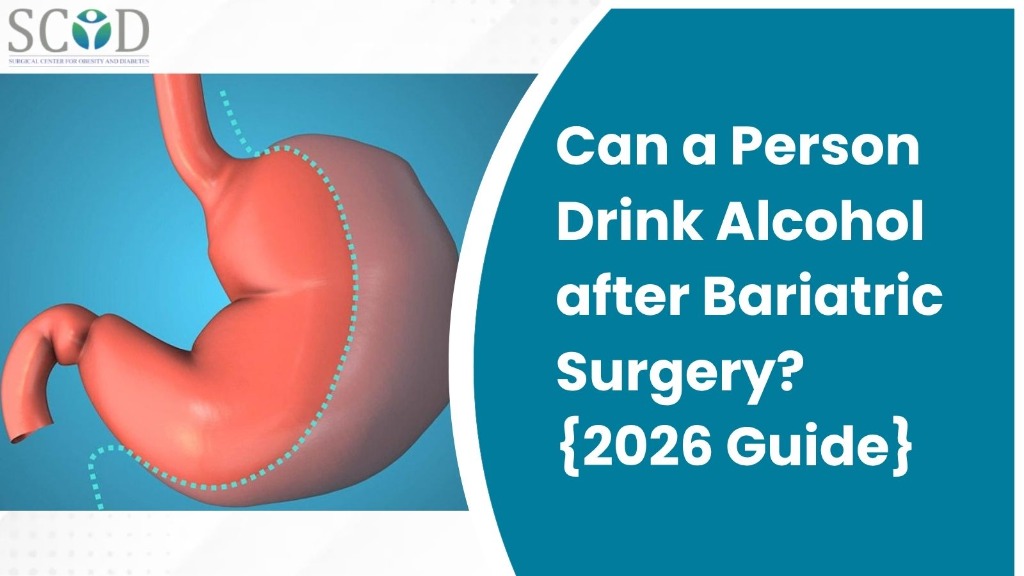
To answer the question, can a person drink alcohol after bariatric surgery, we must first look at the physiological changes inside the gastrointestinal tract. Procedures like gastric bypass (Roux-en-Y) and sleeve gastrectomy significantly reduce the size of the stomach. In a bypass, the stomach is also bypassed, routing food directly into the small intestine.
This structural change has a direct, dramatic impact on how the body processes Alcohol after Bariatric Surgery:
- Accelerated Gastric Emptying: In a normal stomach, alcohol is held and slowly released into the small intestine, where it is absorbed. After surgery, the reduced stomach size or gastric bypass means alcohol dumps almost immediately into the small intestine, leading to rapid absorption into the bloodstream.
- Reduction in Alcohol Dehydrogenase (ADH): The stomach lining produces an enzyme called alcohol dehydrogenase, which is responsible for breaking down a significant portion of alcohol before it reaches the bloodstream. Because the stomach surface area is drastically reduced or bypassed, ADH levels plummet, allowing more raw alcohol to enter the bloodstream directly.
- Elevated Peak BAC: Studies have shown that bariatric patients reach peak Blood Alcohol Concentration (BAC) up to three times faster than before their surgery, and from significantly less alcohol. What used to be a safe social amount could now place you well over the legal driving limit within minutes.
- Prolonged Elimination: It takes longer for the liver to clear this high level of alcohol from the bloodstream, meaning intoxication is not only faster but the effects can linger unpredictably, making recovery from even a single drink more taxing on your system.
The Timeline: how soon can you drink alcohol after bariatir surgery?
When discussing post-operative changes, timing is everything. So, how soon can you drink alcohol after bariatir surgery? Medical guidelines advise absolute abstinence from alcohol for at least six months to one year following the procedure. Here is why this strict timeline is necessary:
1. Critical Healing Phase (Months 1–3)
In the first few months, your stomach pouch is healing from surgical staple lines and sutures. Alcohol is a known gastrointestinal irritant. Consuming it during this phase can lead to inflammation (gastritis), stomal stenosis, or marginal ulcers. Additionally, your body is rapidly losing weight and adjusting to a low-calorie diet, making it highly vulnerable to nutrient deficiencies. Introducing alcohol at this stage can delay tissue healing and lead to severe pain or bleeding.
2. Metabolic Stabilization (Months 4–6)
During this phase, your liver is working overtime processing fat breakdown from rapid weight loss. Adding alcohol puts additional stress on the liver, increasing the risk of fatty liver changes or metabolic overload. It also interferes with hydration and electrolyte balance, which are crucial for active recovery. The liver requires all its resources to manage the massive metabolic shift, and introducing toxins like alcohol can result in elevated liver enzymes and systemic fatigue.
For these reasons, leading experts like Dr. Arush Sabharwal emphasize that waiting a minimum of six months—and ideally a full year—is a non-negotiable step to protect your new digestive system and ensure optimal surgical outcomes. This period allows your gut microbiota and metabolic pathways to find a stable baseline before processing complex substances.
Risks of Consuming Alcohol after Bariatric Surgery
Understanding the risks of introducing Alcohol after Bariatric Surgery is vital to avoid life-threatening complications. Here are the primary physiological and psychological concerns:
1. Severe Hypoglycemia (Low Blood Sugar)
Bariatric surgery alters insulin secretion and glucose sensitivity. When you consume alcohol, the liver stops releasing glycogen (stored glucose) into the bloodstream because it is busy detoxifying the alcohol. This can cause a sudden, dangerous drop in blood sugar levels. Symptoms of severe hypoglycemia include shakiness, confusion, dizziness, heart palpitations, and loss of consciousness, which are often mistakenly attributed to normal intoxication, creating a dangerous delay in medical intervention.
2. Addiction Transfer (Transfer Addiction)
Many people who undergo bariatric surgery previously relied on food as a coping mechanism or a source of dopamine. Once the physical capacity to overeat is removed, the brain may seek alternative rewards. This psychological phenomenon is known as transfer addiction. Bariatric patients have a significantly higher risk of developing alcohol use disorders (AUD) post-surgery because the rapid, intense buzz from alcohol provides a powerful chemical reward that bypasses natural restraint systems.
3. Weight Regain and Empty Calories
Alcohol contains empty calories (7 calories per gram) with no nutritional benefits. It is also liquid, meaning it easily bypasses the restriction of your stomach pouch without making you feel full. Sugary cocktails, beer, and wine can quickly derail your weight loss goals, leading to early weight plateaus or weight regain. Furthermore, alcohol intake reduces inhibitions, making it much more likely that you will make poor dietary choices and consume high-calorie snacks.
4. Dehydration and Nutritional Depletion (Neurological Risks)
Alcohol is a diuretic that forces water out of the body. Since bariatric patients already have a limited fluid intake capacity, drinking alcohol significantly increases the risk of chronic dehydration. It also impairs the absorption of critical nutrients like Thiamine (Vitamin B1), Vitamin B12, and folate. A lack of Thiamine can trigger Wernicke-Korsakoff syndrome, a severe neurological disorder characterized by confusion, visual changes, and memory loss, which can become permanent if not treated immediately.
5. Increased Ulcer Risk
The gastric mucosa in the newly created pouch is thinner and more sensitive. Alcohol directly strips the protective mucus layer of the stomach, exposing the lining to stomach acid. This drastically increases the incidence of marginal ulcers, gastritis, and gastrointestinal bleeding, which may require hospitalization or revision surgery.
Guidelines for Safe Reintroduction (After 6–12 Months)
If you have passed the one-year mark, reached a stable weight, and received approval from your surgical team, you may choose to have a drink occasionally. However, you must follow strict guidelines to remain safe:
- Always Drink with Food: Never drink alcohol on an empty stomach. Eating a protein-rich meal beforehand slows down gastric emptying and reduces the speed of alcohol absorption.
- Avoid Carbonation: Beer, champagne, soda mixers, and ciders release gas in the stomach. Carbonation can cause painful bloating, gas, and can potentially stretch your delicate stomach pouch over time.
- Dilute and Sip Slowly: Choose low-sugar, non-carbonated drinks. Sip them slowly over a long period. Never gulp or drink quickly. Dilute spirits with plain water or decaffeinated tea.
- Test in a Safe Environment: The first time you try a drink post-surgery, do it at home with a trusted family member or friend present. You need to observe how your new body reacts without public pressure or safety risks.
- Have a Designated Driver: Because your BAC rises incredibly fast, you may be legally intoxicated after only a few sips of a drink. Never attempt to drive after consuming any amount of alcohol.
Choosing the Right Professional for Your Bariatric Journey
Bariatric surgery is a lifelong commitment that requires continuous medical support, dietary counseling, and psychological guidance. Navigating post-operative lifestyle changes like alcohol consumption is much easier when you have an expert team supporting you. If you are seeking guidance or considering weight loss surgery, consulting a top-tier Bariatric Surgeon in Delhi is your first step toward success.
At SCOD Clinic, we emphasize holistic post-operative care, including lifestyle coaching, support groups, and personalized nutrition plans. Under the leadership of medical experts like Dr. Arush Sabharwal, our clinic provides the resources and medical follow-up necessary to ensure safety and long-term weight maintenance.
Frequently Asked Questions
Can a person drink alcohol after bariatric surgery safely?
Yes, but only after the healing period (6–12 months), in very limited quantities, and by taking precautions like eating food first and avoiding carbonation. It must be done with caution due to the high risk of rapid intoxication and low blood sugar.
How soon can you drink alcohol after bariatir surgery?
You should wait at least six months to one year after bariatric surgery before drinking any alcohol. Consuming alcohol earlier can irritate the healing stomach pouch, cause ulcers, and strain the liver during active weight loss.
Why does alcohol feel stronger after weight loss surgery?
Because your stomach is smaller or bypassed, alcohol empties directly into the small intestine where it is absorbed rapidly. Additionally, your stomach produces less of the enzyme that breaks down alcohol, leading to much higher blood alcohol levels quickly.
What are the best alcoholic drinks to have post-bariatric surgery?
If cleared by your doctor, select low-calorie, non-carbonated options like a small splash of hard liquor mixed with water or a low-sugar non-carbonated mixer. Avoid beer, champagne, sweet cocktails, and soda mixers.
What is transfer addiction?
Transfer addiction is a psychological condition where a person swaps one compulsive behavior (like overeating) for another (like drinking alcohol or shopping). Bariatric patients are at risk because alcohol effects are felt much faster and stronger post-op.
Will my alcohol tolerance ever return to what it was before surgery?
Generally, no. The anatomical changes made to your stomach and small intestine are permanent. This means alcohol will always be absorbed faster and bypass the protective stomach enzymes, maintaining a low tolerance permanently.
How does alcohol affect muscle mass retention after weight loss surgery?
Alcohol inhibits muscle protein synthesis and causes dehydration. Following bariatric surgery, you need optimal protein absorption to retain lean muscle mass while losing fat. Drinking alcohol can lead to muscle wasting and a slowed metabolic rate.