Yes, bariatric surgery is recommended for people with a BMI of 27.5 or higher who have uncontrolled type 2 diabetes, or for those with a BMI of 32.5 or above, even without major comorbidities. Bariatric surgery is not only a weight-loss procedure but also an effective metabolic treatment that can improve blood sugar control in many patients. In some cases, people experience diabetes remission after surgery, meaning their blood sugar levels return to a normal range without the need for diabetes medications for a period of time.
Type 2 diabetes is one of the most common lifestyle-related diseases in the world. It develops when the body either does not produce enough insulin or cannot properly use the insulin it makes. Over time, high blood sugar levels can affect important organs such as the heart, kidneys, eyes, and nerves. While many people manage diabetes with medicines, diet, and exercise, some patients continue to struggle despite following treatment plans. For such individuals, bariatric surgery has emerged as a highly effective option that not only supports weight loss but also helps improve overall metabolic health and diabetes management.
For people considering weight loss surgery, consulting an experienced Bariatric Surgeon in Delhi, like Dr. Arush Sabharwal, can help in understanding whether surgery is the right option for diabetes management and long-term health improvement.
Understanding Type 2 Diabetes
Type 2 diabetes occurs when the body becomes resistant to insulin. Insulin is a hormone that helps glucose enter the body’s cells for energy. When insulin does not work properly, sugar builds up in the bloodstream.
Common causes of type 2 diabetes include:
- Obesity
- Lack of physical activity
- Unhealthy eating habits
- Family history
- Hormonal imbalance
- Stress and poor sleep
What is Bariatric Surgery?
Bariatric surgery refers to different surgical procedures that help people lose weight by changing the digestive system. These surgeries reduce food intake and may also affect hormones related to hunger and blood sugar control.
The main goal of bariatric surgery is weight loss, but it also helps improve obesity-related conditions such as:
- Type 2 diabetes
- High blood pressure
- Sleep apnea
- Joint pain
- Fatty liver disease
- High cholesterol
Types of Bariatric Surgery Used for Diabetes
Several bariatric procedures are commonly performed for weight loss and diabetes improvement.
Roux-En Y Gastric Bypass
In Roux-en-Y gastric bypass surgery, the stomach is made smaller and connected directly to the small intestine. This reduces food intake and calorie absorption. This procedure is known for strong diabetes remission results because it also changes gut hormones that affect insulin function.
Sleeve Gastrectomy
In sleeve gastrectomy, a large part of the stomach is removed, leaving a smaller tube-shaped stomach. This surgery reduces hunger hormones and helps patients eat less while improving insulin sensitivity.
Mini Gastric Bypass
This is a simpler variation of gastric bypass surgery and is also effective for obesity and diabetes management.
Adjustable Gastric Band
A band is placed around the stomach to reduce food intake. However, this procedure is less common today because other surgeries generally provide better long-term results.
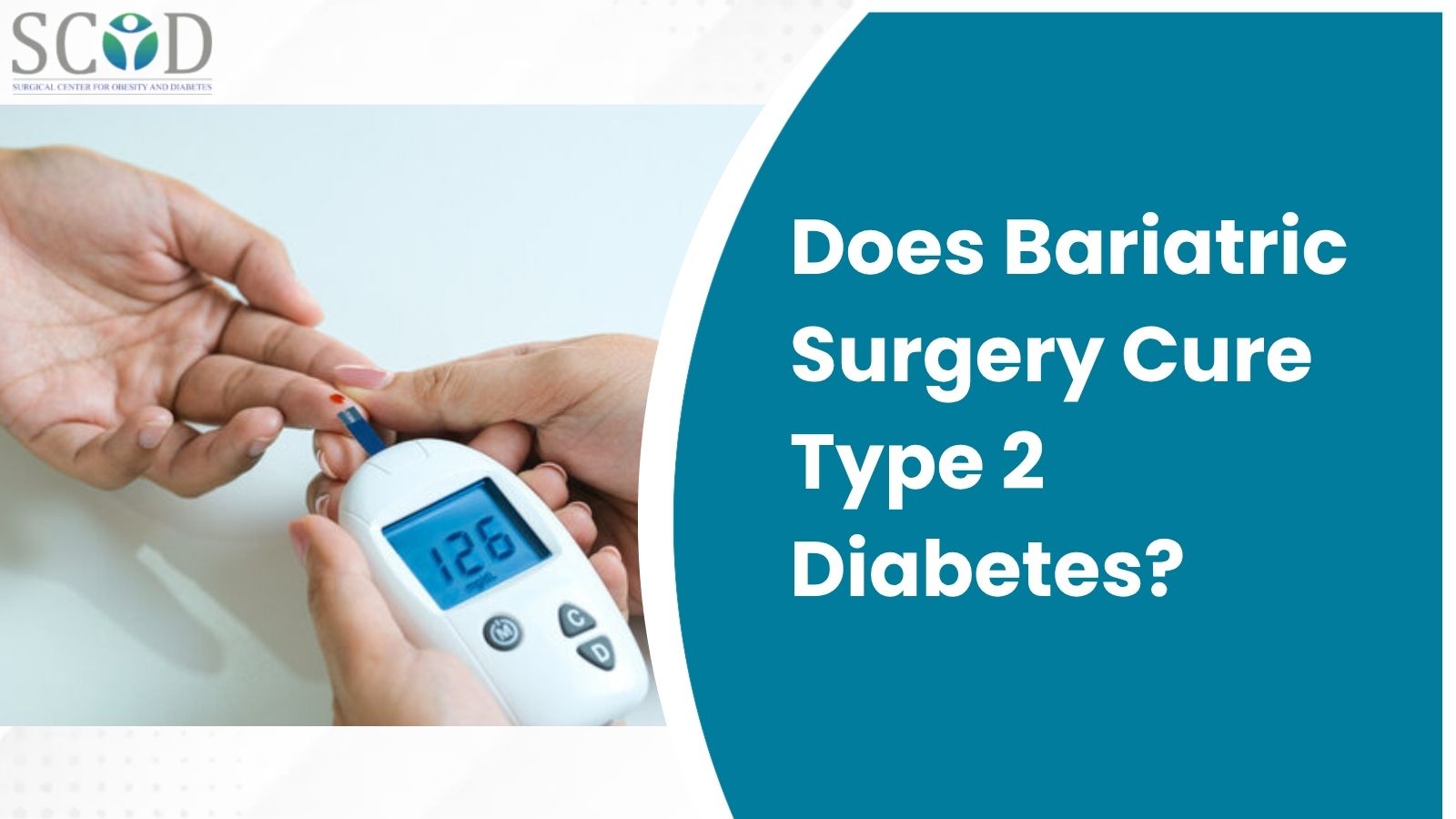
Does Bariatric Surgery Cure Type 2 Diabetes?
One of the most common questions patients ask is, does bariatric surgery cure type 2 diabetes? Bariatric surgery may not permanently cure diabetes in every patient, but it can lead to long-term remission in many individuals.
Diabetes remission means blood sugar levels return to near-normal levels without the need for diabetes medications for a significant period.
Research has shown that many patients experience:
- Better blood sugar control
- Reduced need for insulin
- Reduced diabetes medications
- Improved insulin sensitivity
- Lower HbA1c levels
Some patients stop diabetes medicines completely after surgery, especially when diabetes is diagnosed early and managed before major complications develop.
How Bariatric Surgery Improves Diabetes
Improves Insulin Sensitivity
Bariatric surgery helps the body use insulin more effectively. As excess weight decreases, especially abdominal fat, insulin resistance reduces significantly. This allows glucose to enter the body’s cells more easily, leading to better blood sugar control in people with type 2 diabetes.
Changes Gut Hormones
After bariatric surgery, important hormones related to hunger, digestion, and blood sugar regulation start functioning differently. These hormonal changes improve insulin production and help stabilize blood glucose levels. Many patients notice an improvement in diabetes even before major weight loss occurs.
Supports Significant Weight Loss
Obesity is one of the biggest risk factors for type 2 diabetes. Bariatric surgery helps patients lose a large amount of excess weight over time. Weight reduction lowers pressure on the body’s metabolism and improves overall diabetes management naturally.
Reduces Appetite and Food Intake
The surgery reduces the size of the stomach, making patients feel full faster and consume fewer calories. Lower calorie intake helps maintain healthy blood sugar levels and prevents sudden spikes in glucose after meals.
Improves Metabolic Function
Bariatric surgery positively affects the body’s metabolism by improving how nutrients and sugars are processed. The digestive system becomes more efficient, helping the body regulate glucose levels better and lowering the dependence on diabetes medications.
Lowers Inflammation in the Body
Excess fat in the body can cause chronic inflammation, which contributes to insulin resistance. Weight loss after surgery helps reduce inflammation levels, improving the body’s ability to control blood sugar more effectively.
Benefits of Bariatric Surgery for Type 2 Diabetes
Bariatric surgery offers many health benefits beyond weight loss.
Better Blood Sugar Control
Most patients notice improved blood sugar levels within weeks after surgery.
Reduced Medication Dependency
Many patients reduce or completely stop insulin and diabetes medications.
Lower Risk of Diabetes Complications
Improved blood sugar control lowers the risk of:
- Kidney disease
- Eye damage
- Heart disease
- Nerve damage
Improved Heart Health
Weight loss helps reduce cholesterol and blood pressure.
Better Energy Levels
Patients often feel more active and energetic after surgery.
Improved Quality of Life
Weight loss and better diabetes control can improve confidence, sleep, mobility, and emotional well-being.
Can Diabetes Return After Bariatric Surgery?
Although surgery can lead to remission, diabetes may return in some cases.
Factors that increase the chance of diabetes returning include:
- Weight regain
- Poor eating habits
- Lack of exercise
- Long history of diabetes before surgery
- Family history of diabetes
This is why maintaining a healthy lifestyle after surgery is extremely important.
How Long Does Diabetes Remission Last?
The duration of remission varies between individuals.
Some patients remain diabetes-free for many years, while others may need medications again later in life. Patients who maintain a healthy weight loss usually experience better long-term outcomes.
Studies show that early surgical intervention often provides better diabetes remission results compared to waiting for many years.
Risks and Side Effects of Bariatric Surgery
Like any surgery, bariatric procedures carry some risks.
Possible side effects include:
- Infection
- Bleeding
- Nutritional deficiencies
- Acid reflux
- Nausea
- Vomiting
- Dumping syndrome
- Gallstones
Long-term follow-up care is important to monitor nutrition and overall health.
Conclusion
Bariatric surgery has transformed the treatment of obesity and type 2 diabetes. For many people struggling with severe obesity and uncontrolled diabetes, surgery offers hope for better health and improved quality of life.
So, does bariatric surgery cure type 2 diabetes? In many patients, bariatric surgery can lead to long-term diabetes remission and significantly reduce the need for medications. However, maintaining healthy habits after surgery is important to preserve the results.
Weight loss surgery is not just about appearance. It is a medical treatment that can improve metabolism, reduce health risks, and help patients live healthier lives. Consulting an experienced Bariatric Surgeon like Dr. Arush Sabharwal can help patients understand the most suitable treatment options for obesity and diabetes management.
Frequently Asked Questions
Can Bariatric Surgery completely remove diabetes?
Bariatric surgery can lead to diabetes remission in many patients, but diabetes may return later if weight regain occurs or lifestyle habits become unhealthy.
How quickly does diabetes improve after bariatric surgery?
Some patients notice improvement in blood sugar levels within days or weeks after surgery, even before major weight loss occurs.
Which bariatric surgery is best for type 2 diabetes?
Gastric bypass is often considered highly effective for diabetes remission, but the best procedure depends on the patient’s health condition and weight.
Is bariatric surgery safe for diabetic patients?
Yes, bariatric surgery is generally safe when performed by an experienced surgeon and after proper medical evaluation.
Can insulin be stopped after bariatric surgery?
Many patients reduce or stop insulin after surgery, but this depends on the severity and duration of diabetes.
Will I need diabetes medicine forever after surgery?
Some patients may stop medications completely, while others may still require smaller doses.
Can non-obese patients undergo bariatric surgery for diabetes?
Bariatric surgery is usually recommended for overweight or obese individuals with diabetes. Doctors evaluate each case individually.